
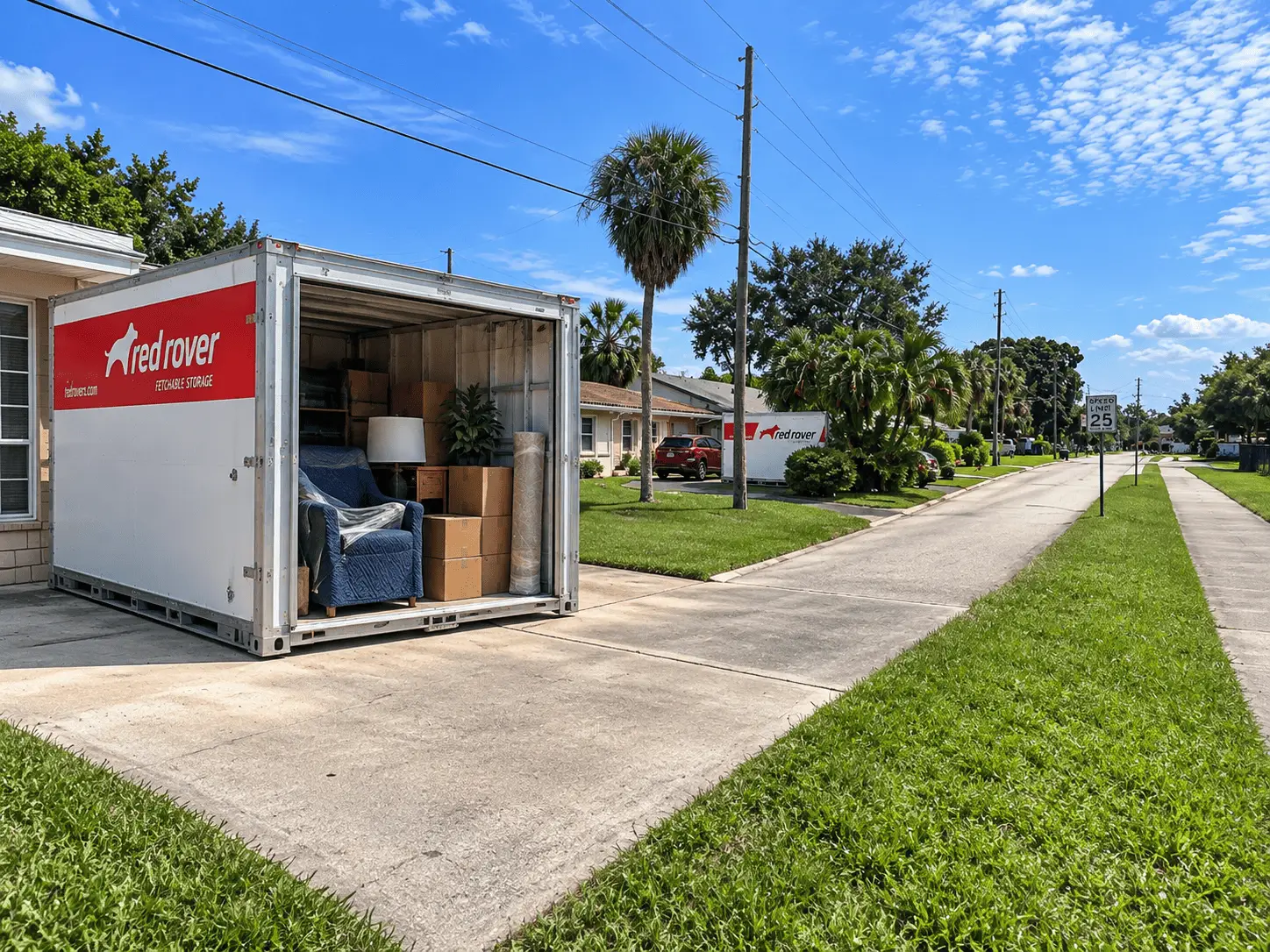
In restoration situations, speed, organization, and space matter. If a pipe bursts, a storm hits, a fire breaks out, or property repairs are needed, a typical home or commercial building can be quickly compromised. Teams need space for drying equipment, demolition, cleaning, repairs, and reconstruction, as well as for moving furniture, fixtures, tools, and other undamaged items.
A flexible storage plan adds significant value in these situations.
For restoration companies, storage goes beyond just providing a place to keep items until a project is finished. The right storage solution can help clear work areas, reduce unnecessary handling, keep possessions organized, and contribute to a more seamless restoration process from the initial cleaning to the final re installation.
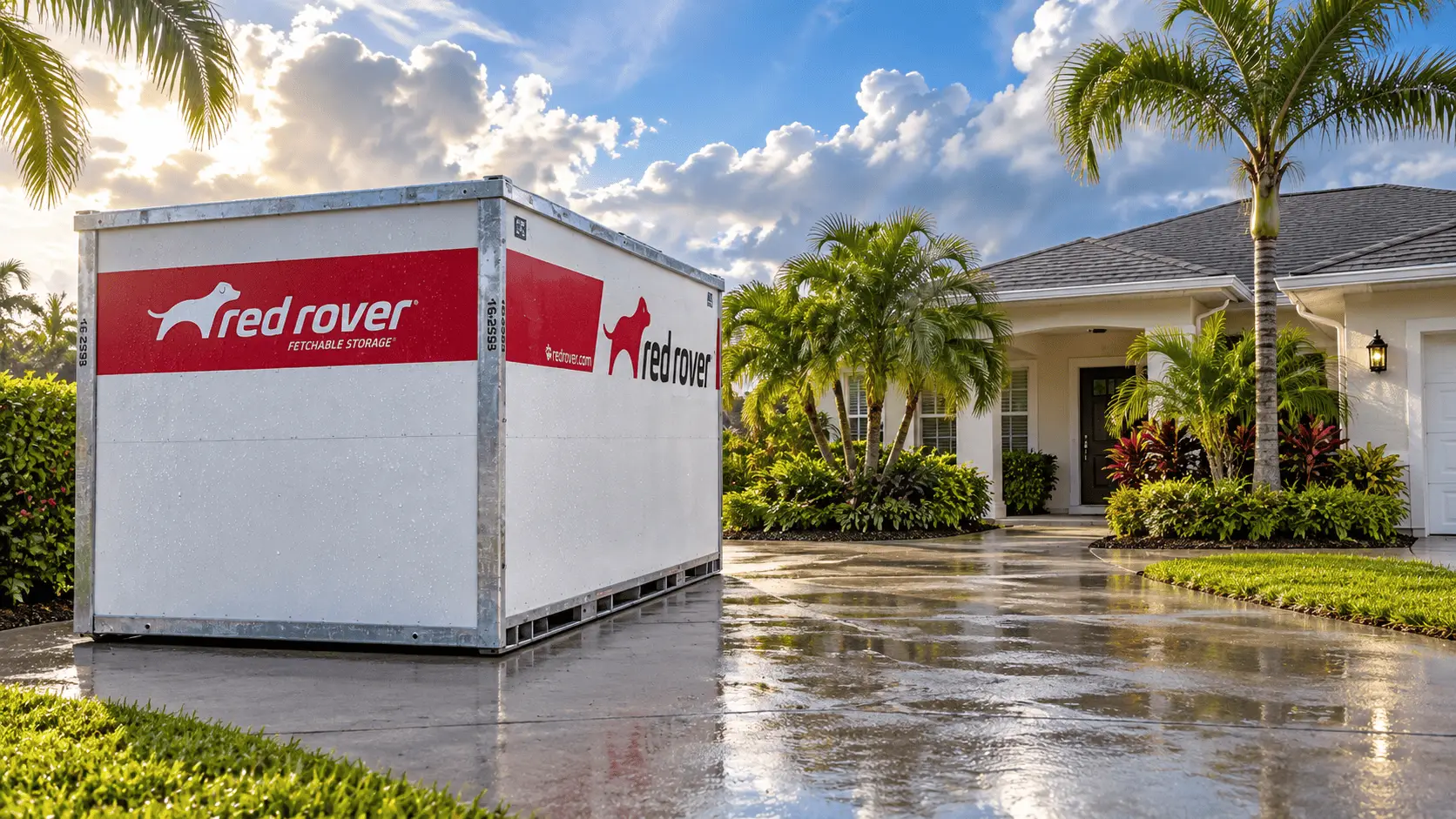
Portable storage containers are especially useful since they provide temporary storage on the property. Crews can move suitable items out of the work area, stage them nearby, and keep the project moving without repeatedly transporting items between the property and a storage facility.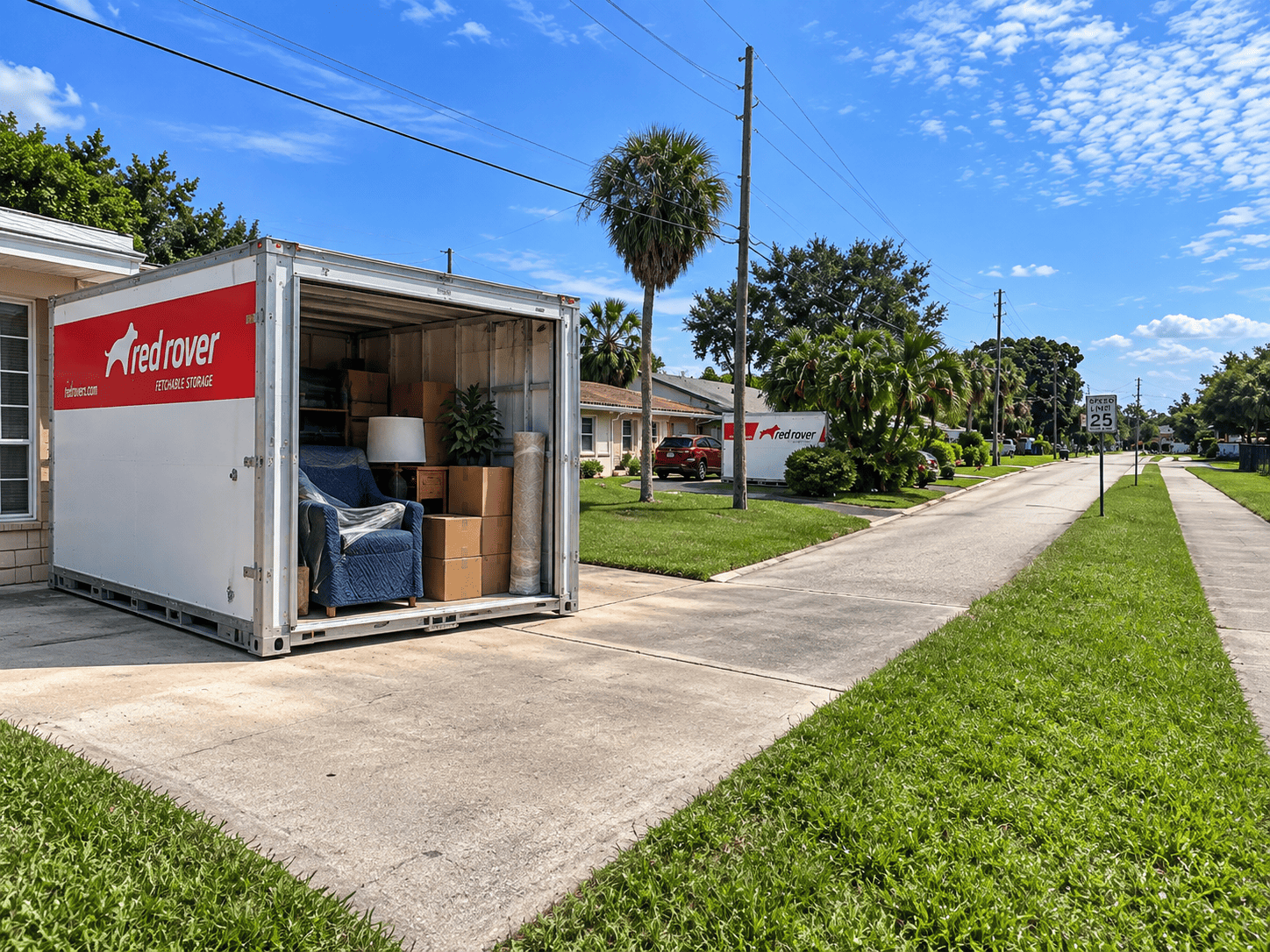
Why Storage Matters During Restoration Work
Most restoration projects start with limited usable space.
Water damage can affect more than one room. Before cleaning and repairs begin after a fire, you may need to remove furniture and fixtures. With storm damage, contractors might have to work around damaged materials, tools, equipment, and the customer’s possessions.
Without a storage plan, undamaged items can quickly fill hallways, garages, spare rooms, or other areas crews need for access.
It provides a temporary break.
If contractors move eligible items out of the active restoration area, they can establish clearly defined spaces for drying equipment, flooring removal, drywall repairs, painting, electrical work, cabinet installation, and other restoration tasks.
It also gives property owners a more systematic approach than moving belongings from one room to another as the work proceeds.
Start With the Condition of the Property
Before deciding where to store anything, restoration teams must first assess the condition of the items themselves.
Not everything taken from damaged property needs to go straight into a standard storage container.
Store clean, dry, undisturbed furniture, boxes, fixtures, or equipment temporarily. However, clean, dry, undisturbed furniture, boxes, fixtures, or equipment can be stored temporarily. However, you must first clean, dry, treat, or handle items that have come into contact with water, mold, sewage, smoke residue, chemicals, or other contaminants in a special way.
This distinction matters most when performing water and fire restoration work.
Use the portable container to support the restoration process. Avoid letting it become a site where wet or contaminated materials cause further problems.
Before storing items, crews should assess the contents and follow proper safety, restoration, and disposal procedures for anything that needs special treatment.
Use Portable Storage to Create a Cleaner Work Zone
A major benefit of portable storage is that crews can remove the right items from the building without taking them far from the site.
A container delivered to the property can serve as a temporary extension of the work site.
Furniture may be removed from a room before any repairs are carried out. You can remove packed possessions from sections that need to be demolished or dried. Replacement fittings and approved project materials can remain neatly organized until installation.
This leaves more space for technicians and contractors to work.
It can also lower the probability of tools, ladders, hoses, fans, or building materials coming into contact with the customer’s belongings while the project is underway.
For restoration teams working in occupied properties, establishing that separation makes the site feel more under control and easier to manage.
Make Pack-Outs Easier to Manage
Major restoration projects often include a pack-out, during which people must move their belongings while the property is being repaired.
When a pack-out involves moving hundreds of items, it can become complicated.
With portable storage, crews can load the right items directly at the property instead of moving everything through multiple locations.
To do this, arrange the container according to the restoration workflow.
Place items that will remain until final reconstruction deeper in the container, while keeping those likely to return sooner closer to the front. Store fragile items in a secure area, and secure heavy, large items so they do not shift during transport.
By taking a clear approach while loading, you save time when returning the contents later.
Give Water Damage Crews More Room to Work
Restoring water damage usually requires quick access to the floors, walls, cabinets, and other affected surfaces.
Drying equipment also consumes space. Air movers, dehumidifiers, hoses, and monitoring equipment may need to remain in place for several days.
Moving dry, unaffected furniture and belongings into temporary storage can give crews the room they need to position equipment correctly and work more efficiently.
It may also reduce repeated movement inside the property.
Instead of moving a sofa or cabinet from one room to another every time the work area changes, crews can remove suitable items from the active restoration space until repairs are complete.
However, treat anything still wet or affected by mold, sewage, or contamination appropriately before storage.
Support Fire and Smoke Restoration More Effectively
Fire restoration creates a different storage challenge.
Some items may be unaffected, while others require cleaning, deodorization, repair, or disposal. Keeping these categories separated can make the project easier to control.
Temporary storage can hold items ready to move out of the active work area while cleaning and reconstruction continue.
This can be useful when crews need to repair walls, replace flooring, repaint rooms, rebuild cabinetry, or complete structural work.
The goal isn’t simply to remove everything from the property, but to create an organized flow so suitable contents don’t interfere with restoration work and can return at the right stage.
Keep Restoration Equipment From Taking Over the Job Site
Restoration companies also bring their own equipment and supplies to each project.
Depending on the job, you may need tools, ladders, carts, protective equipment, replacement materials, boxed supplies, cleaning accessories, and other approved equipment.
When those items remain scattered around the property, the work site can quickly become crowded.
Portable storage creates a dedicated place for project materials you don’t need every minute.
Crews can keep the active work zone focused on the equipment in use while storing less-needed tools and materials nearby.
This can be especially useful during longer reconstruction projects where different trades arrive at different stages.
Reduce Extra Handling During Long Projects
Every additional move creates more work.
Traditional storage can require crews to move belongings from the property into a truck, unload them at a storage facility, reload them later, and then bring them back to the property.
Portable storage can reduce some of those steps.
Teams can load suitable items directly into the container at the job site. The container can remain nearby where permitted or be transported for storage until the project is ready for the contents to return.
Reducing unnecessary handling helps restoration teams save time and keep belongings more organized during longer projects.
It can also make the return process more straightforward because the same container can hold items through several stages of the restoration.
Load With the End of the Project in Mind
A good restoration storage plan should consider what happens after repairs are finished.
Crews eventually need to bring furniture, fixtures, and belongings back into the property.
Loading order matters.
Heavy, stable items should generally form a secure base, while lighter and fragile belongings need protected positions. Wrap finished furniture to prevent scratches, and secure large pieces to limit movement.
Crews should follow best practices for how to pack a portable storage container, keeping heavy, stable items at the base while protecting lighter and fragile belongings.
Plan for the final return while loading at the beginning to speed up re installation and reduce unnecessary unloading.
Match the Storage Approach to the Restoration Timeline
Some restoration projects move quickly, while others can take weeks or months because of delays from reconstruction schedules, material availability, inspections, or other factors.
The storage solution must be suitable for that timeline.
A minor repair may only require temporary storage while one or two rooms are cleared, whereas a large fire or storm restoration project may need storage for several stages of construction.
When considering their options, restoration companies should think about how much space they will need, how often crews will need access, how long items may stay stored, and whether the property has space for a container.
Choose the solution that aligns with the real project, rather than adapting the restoration process to fit the storage setup.
Know What Requires Specialized Storage
Portable storage suits many common restoration needs, but it isn’t right for every item.
When carrying out restorations, teams must apply special methods to any materials that are wet, contaminated, hazardous, flammable, highly temperature-sensitive, regulated, or in some other way inappropriate for standard storage.
Sensitive documents, high-value items, medical materials, hazardous chemicals, and some electronics may also need extra controls.
Before deciding on where each category should go, the restoration company should assess its condition and storage needs.
Build Storage Into the Restoration Plan
The best storage options for restoration companies not only provide extra space but also help crews work more efficiently.
Portable storage helps clear rooms before work starts, keeps items out of the work area, provides space for technicians and contractors, reduces repeated handling, and makes it easier to return items later.
Flexible business storage solutions can help restoration companies keep tools, equipment, project materials, and suitable customer belongings organized throughout longer restoration projects.
For water damage restoration, fire recovery, storm repairs, remodeling, and reconstruction, planning storage early can make the entire job easier to manage.
Instead of treating storage as an afterthought, restoration companies can build it into the project workflow from the start. That approach creates cleaner work areas, better organization, and a smoother path from initial cleanup to final restoration.

 Now Serving Orlando!
  Portable Moving & Storage Delivered to Your Door —
  Same-Day Delivery Available |
  We’ll Beat Any Competitor’s Price! -