
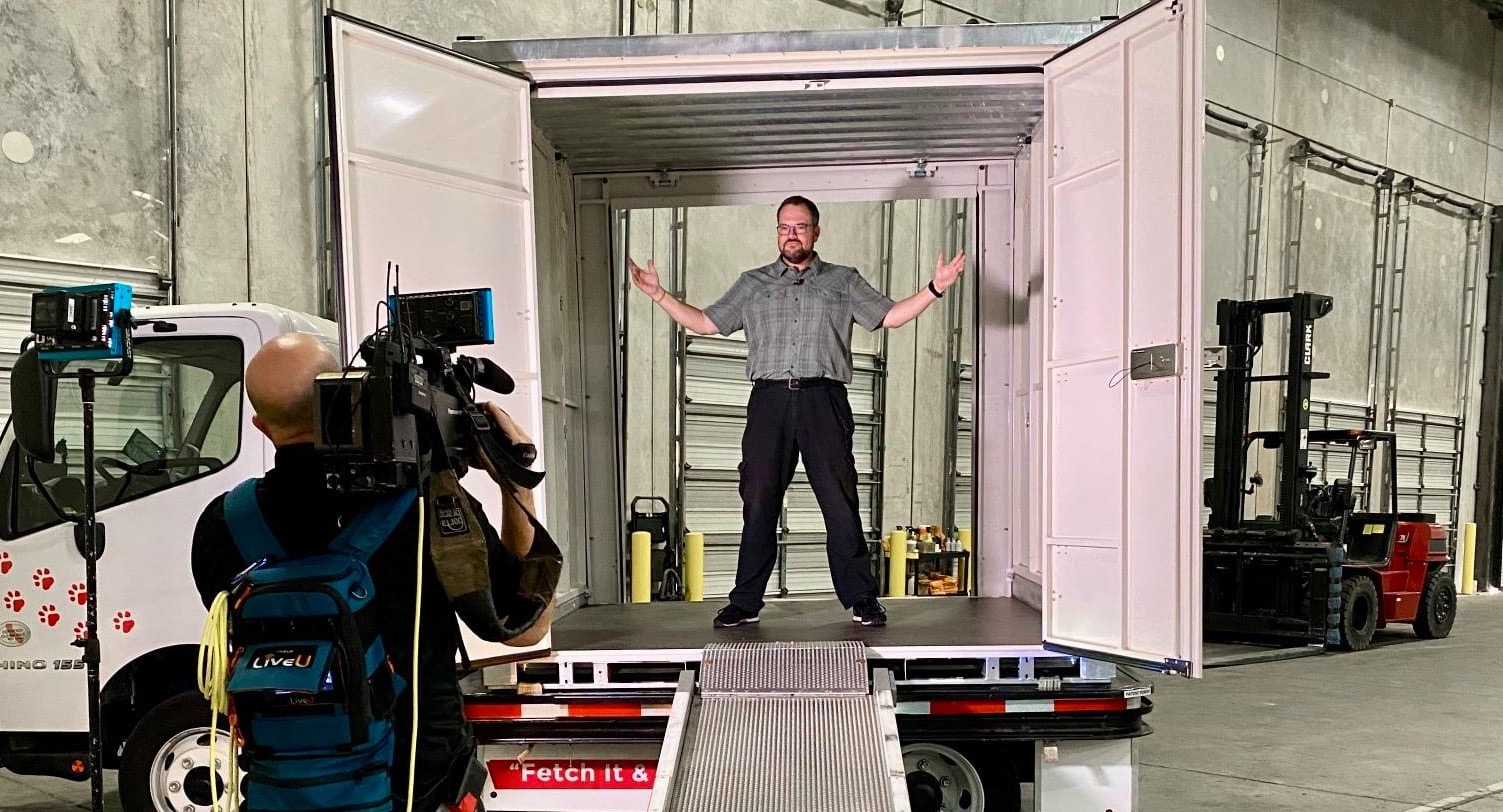
Choosing the right portable storage container should not feel like a guessing game. The right size can help you avoid paying for space you do not use while making sure everything fits safely when loading day arrives.
If the container is too large, you may spend more than necessary. If it is too small, you could run out of room after your biggest furniture and appliances are already loaded. The best approach is to inventory your belongings, estimate your boxes, and consider how you plan to use the container.
Quick answer:
- Choose an 8-foot container for approximately one to two moderately furnished rooms.
- Choose a 16-foot container for approximately three to four moderately furnished rooms.
- Consider both container sizes for a larger household, renovation, or storage project.
Room counts are helpful estimates, not guarantees. A room with a sectional sofa, king-size bedroom set, or exercise equipment can require much more space than a room filled mainly with boxes.
Red Rover Container Sizes at a Glance
8-Foot Container
- Dimensions
- 8′ x 8′ x 8′
- Usable capacity
- 431 cubic feet
- Weight limit
- 5,500 pounds
- Approximate fit
- One to two moderately furnished rooms
- Good for
- Decluttering, smaller moves, one-room projects, and limited renovations
16-Foot Container
- Dimensions
- 16′ x 8′ x 8′
- Usable capacity
- 866 cubic feet
- Weight limit
- 7,700 pounds
- Approximate fit
- Three to four moderately furnished rooms
- Good for
- Apartment moves, multi-room storage, downsizing, and larger renovations
8-Foot + 16-Foot Containers
- Configuration
- Two separate containers
- Combined capacity
- 1,297 cubic feet
- Weight limits
- Each container keeps its individual limit
- Approximate fit
- Larger storage and moving projects
- Good for
- Multi-room households, major renovations, and flexible organization
Red Rover compares the 8-foot container to an approximately 10′ x 5′ self-storage unit and the 16-foot container to an approximately 10′ x 15′ unit. You can review the complete container specifications and features before choosing.
How to Calculate How Much Storage Space You Need
Use these five steps before reserving your container.
1Make an Inventory of Your Largest Items
Start with belongings that will not be packed inside boxes. Large, heavy, or unusually shaped items usually determine which container size you need.
Include items such as:
- Sofas and sectionals
- Beds, mattresses, and box springs
- Dressers, wardrobes, and bookcases
- Dining tables and chairs
- Refrigerators, washers, and dryers
- Desks and office furniture
- Exercise equipment
- Patio furniture
- Bicycles and sporting equipment
- Mirrors, artwork, and televisions
- Garage tools and shelving
- Lawn and outdoor equipment
Remember to check closets, attics, garages, sheds, and outdoor areas. For each large item, note whether it can be disassembled, stored vertically, or used to hold smaller belongings.
2Estimate the Number and Size of Your Boxes
Do not record only the total number of boxes. Twenty large boxes take up much more space than twenty small ones. Uniform moving boxes are also easier to stack than mixed cartons, bags, and irregular containers.
| Box type | Example quantity | Typical contents |
|---|---|---|
| Small boxes | 15 | Books, tools, and dense household items |
| Medium boxes | 25 | Kitchenware, clothing, and home decor |
| Large boxes | 10 | Bedding, pillows, and lightweight items |
| Wardrobe boxes | 4 | Hanging clothes |
| Plastic totes | 6 | Seasonal and garage items |
Update your estimate as you pack. If your inventory changes after you reserve, contact Red Rover before delivery to discuss your options.
3Measure Bulky or Awkward Items
Measure the length, width, and height of large furniture, appliances, and unusually shaped belongings.
Measurements in feet:
Length x width x height = cubic feet
Measurements in inches:
Length x width x height ÷ 1,728 = cubic feet
For example, an item measuring 36 inches long, 36 inches wide, and 36 inches high occupies approximately 27 cubic feet before accounting for gaps around it.
You do not need to measure every small item individually. You can group belongings as they may be loaded and measure the approximate dimensions of the group. Remember that sofas, lamps, chairs, and exercise equipment often create gaps that cannot be filled completely.
4Decide Whether You Need Access During Storage
A container used only for transportation can usually be packed more tightly. For long-term storage, you may want a narrow aisle and frequently used belongings near the door.
An access path makes retrieval easier, but it also reduces usable capacity. If everything may fit in an 8-foot container only when packed from wall to wall, a 16-foot container may be more practical when regular access is important.
5Match Your Inventory to a Container
Choose the smallest container that can hold your belongings safely without unstable stacks or pressure against the doors.
Consider moving up to the larger option when:
- Your estimate is close to the smaller container’s capacity.
- You have several oversized or non-stackable items.
- You need an aisle for access.
- You expect to add belongings later.
- You have fragile furniture that should not support boxes.
- You are storing garage, patio, or outdoor items as well as household furniture.
The goal is not to leave a large amount of unused space. It is to create a stable, evenly distributed, and accessible load.
Which Red Rover Container Size Is Right for You?
Choose an 8-Foot Container for Smaller Projects
The 8-foot Red Rover container provides 431 cubic feet of usable storage and is intended for approximately one to two moderately furnished rooms.
It may be a good fit for:
- Decluttering before listing a home
- A bedroom, dining room, or home office
- Seasonal decorations and household overflow
- A smaller remodeling project
- Selected contents from a studio apartment
- A bedroom set plus boxes
- Limited business files or inventory
- Patio furniture and gardening equipment
A lightly furnished studio or one-bedroom apartment may fit. A fully furnished one-bedroom apartment with a sofa, bedroom set, appliances, dining furniture, and many boxes may require the 16-foot option. The 8-foot model also has doors at both ends for easier access.
Choose a 16-Foot Container for Multi-Room Storage
The 16-foot Red Rover container provides 866 cubic feet of usable space and is intended for approximately three to four moderately furnished rooms.
It is generally better suited for:
- Medium or large apartment moves
- Multiple bedrooms
- Living room and bedroom furniture
- Downsizing projects
- Home renovations
- Garage contents
- Major appliances
- Business equipment or inventory
- Long-term household storage
Choose the 16-foot container when your inventory includes multiple mattresses, sofas, appliances, or large furniture pieces. Even when the calculated volume looks close, awkward shapes can make the smaller container impractical.
Consider Both Containers for a Larger Project
For projects that exceed one 16-foot container, Red Rover’s 8-foot and 16-foot units can be rented together. They provide approximately 1,297 cubic feet of combined usable storage.
Two containers can also make organization easier. For example, you might place furniture and long-term storage in the 16-foot unit while using the 8-foot unit for tools, boxes, and belongings you expect to access sooner.
Pricing, availability, discounts, delivery arrangements, and unused-container policies may vary. Confirm the current terms when you request a quote.
What Affects the Amount of Storage Space You Need?
Furniture Size Matters More Than Room Count
Three rooms do not look the same in every home. One living room may contain a loveseat and two chairs, while another has a sectional, entertainment center, recliners, and several tables. Use room count as a starting point, but make the final choice from your inventory.
Disassembled Furniture Uses Less Space
Removing table legs, bed frames, shelves, and detachable components can reduce wasted space. Place screws, bolts, and other hardware in labeled bags, then attach each bag to the matching furniture piece.
Awkward Items Create Unusable Gaps
Floor lamps, bicycles, curved furniture, and exercise equipment rarely stack neatly. Add them to your inventory early instead of trying to fit them into leftover spaces at the end.
Fragile Items Limit Stacking
Boxes can usually be stacked, but mirrors, televisions, artwork, and delicate furniture should not support heavy loads. Allow additional space for padding and secure placement.
Weight Is as Important as Volume
A container can reach its weight limit before it runs out of physical space, especially when storing books, records, tools, equipment, or dense business inventory. Do not exceed the published 5,500-pound limit for the 8-foot container or the 7,700-pound limit for the 16-foot container.
How to Maximize Your Storage Container Space
Use Strong, Uniform Moving Boxes
Sturdy boxes with similar dimensions create more stable stacks and reduce wasted space. Use smaller boxes for books, tools, and dense belongings. Reserve large boxes for lighter items such as bedding, pillows, and lampshades.
There is no universal rule that every stack should be limited to a specific number of boxes. Safe stacking height depends on the strength, weight, contents, and stability of each box.
Load Heavy Items on the Bottom
Place appliances, sturdy furniture, and heavy boxes on the floor. Put lighter and more fragile belongings above them. Build the load in stable sections from the floor upward.
Distribute Weight Evenly
Avoid placing every appliance, book box, or heavy piece of equipment on one side. Spread the weight across the container floor so the load remains balanced during pickup and transportation.
Use Vertical Space Carefully
- Stand suitable sofas on end.
- Position mattresses along a wall.
- Place lightweight boxes above stable furniture.
- Store smaller belongings inside empty cabinets or dressers.
- Disassemble tables and bed frames when practical.
- Secure tall items so they cannot fall.
Do not position furniture in a way that could damage its frame, upholstery, finish, or internal components.
Fill Empty Gaps With Soft Items
Use clean pillows, cushions, blankets, and linens to fill gaps around furniture and boxes. Seal soft goods in bags before using them as padding. Filling empty spaces can reduce movement, but never force belongings into unstable positions.
Secure Each Section
Red Rover containers include interior D-ring tie-down points. Use suitable rope or moving straps to secure tall furniture and each completed section as you load.
Protect the Door Area
Do not allow loose boxes or furniture to fall against the doors. Build a stable final section and make sure the doors and locking mechanism can close without pressure from the load.
Keep Important Items Accessible
Place tools, furniture hardware, cleaning supplies, seasonal equipment, moving-day essentials, and other frequently needed belongings near the appropriate door. Label boxes on at least two visible sides and keep a simple numbered inventory.
Common Storage Sizing Mistakes
Choosing From Bedroom Count Alone
A minimally furnished two-bedroom home may require less space than a fully furnished one-bedroom apartment. Count your actual belongings instead of relying only on the property description.
Forgetting the Garage and Outdoor Areas
Remember bicycles, patio furniture, lawn equipment, shelving, tools, and garage boxes when completing your inventory.
Assuming Everything Can Be Stacked
Mattresses, mirrors, fragile furniture, and unusually shaped equipment can reduce usable vertical space. Identify non-stackable items before choosing a container.
Ignoring Access Requirements
A tightly packed container works well when everything will be unloaded at once. It is much less convenient when you regularly need something from the back.
Ignoring Weight Limits
Dense belongings can cause a container to reach its weight limit even when visible space remains. Distribute heavy boxes and equipment throughout the container.
What Should Not Go in a Storage Container?
Review the current rental agreement before loading because restrictions can change. Prohibited or restricted items may include food and perishables, hazardous materials, explosives, flammable property, illegal or stolen items, firearms, ammunition, live animals, and certain valuable or difficult-to-replace belongings.
Cash, jewelry, important documents, sentimental belongings, and irreplaceable property are generally better kept in a secure location outside the container. Contact Red Rover when you are unsure whether a particular item is permitted.
Never use a portable storage container to store or transport a person or animal.
Frequently Asked Questions
What size storage unit do I need for a one-bedroom apartment?
An 8-foot container may hold a lightly furnished studio or selected contents from a one-bedroom apartment. Choose a 16-foot container when you have a full living room, bedroom set, dining furniture, appliances, oversized items, or many boxes.
How much fits in an 8-foot storage container?
Red Rover estimates that its 8-foot container holds approximately one to two moderately furnished rooms. It provides 431 cubic feet of usable storage and has a published weight limit of 5,500 pounds.
How much fits in a 16-foot storage container?
Red Rover estimates that its 16-foot container holds approximately three to four moderately furnished rooms. It provides 866 cubic feet of usable storage and has a published weight limit of 7,700 pounds.
How many boxes fit in a portable storage container?
There is no reliable universal box count because capacity depends on box dimensions and the furniture stored with them. Estimate boxes by size and combine that estimate with a list of all non-boxed items.
Should I choose a larger container when I am unsure?
Consider the larger size when your estimate is close to the smaller container’s capacity, you need regular access, you have many awkward items, or you expect to add more belongings. Completing an inventory first can help you avoid paying for unnecessary space.
Can I rent an 8-foot and a 16-foot container together?
Yes. Red Rover offers both sizes separately or together. Ask about current availability, delivery arrangements, discounts, and unused-container policies when requesting a quote.
Find the Right Storage Container With Red Rover
An 8-foot container is generally a good starting point for one- to two-room projects. A 16-foot container provides more flexibility for multi-room moves, renovations, and larger household contents. For bigger projects, both sizes may be rented together.
Before requesting a quote, create an inventory, estimate your boxes by size, photograph your largest belongings, identify non-stackable items, and decide whether you need access during storage.
 Now Serving Orlando!
  Portable Moving & Storage Delivered to Your Door —
  Same-Day Delivery Available |
  We’ll Beat Any Competitor’s Price! -