
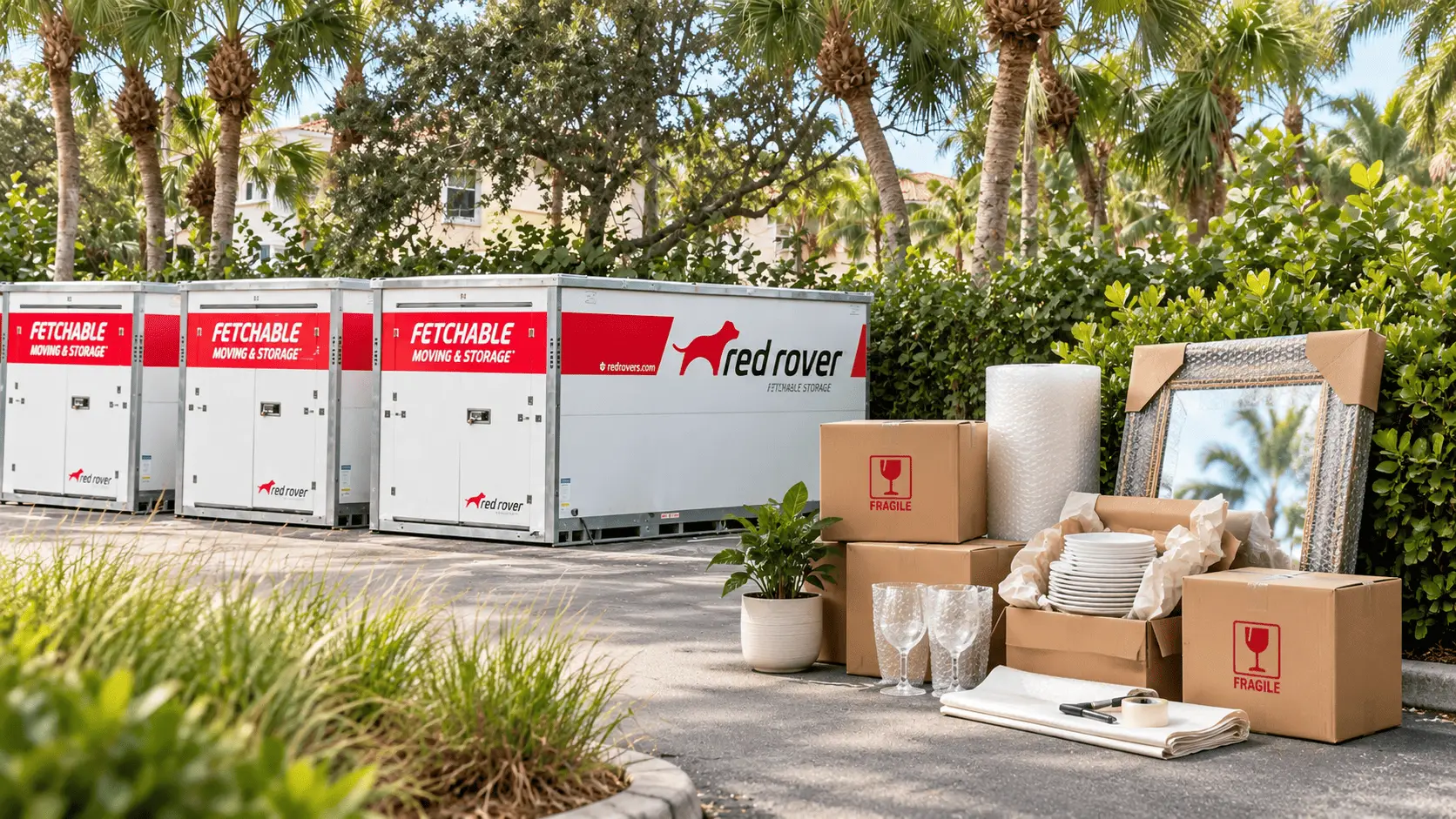
Even with a well-planned move, transporting delicate possessions can still cause stress. Glassware, dishes, mirrors, artwork, electronics, lamps, and other valuables require extra care. Damaged packaging, loose contents, or unstable stacks can lead to broken belongings when you unpack at your new home.
The good news is that you can lower the risk of damage by using the right packing materials and following a careful loading plan.
A portable moving container gives you time to organize your belongings instead of rushing to load everything in a few hours. With the container delivered to your location, you can wrap, box, and secure delicate items before transportation.
This guide explains how to pack fragile items for moving, how to arrange them inside a portable moving container, and how to limit movement during transport.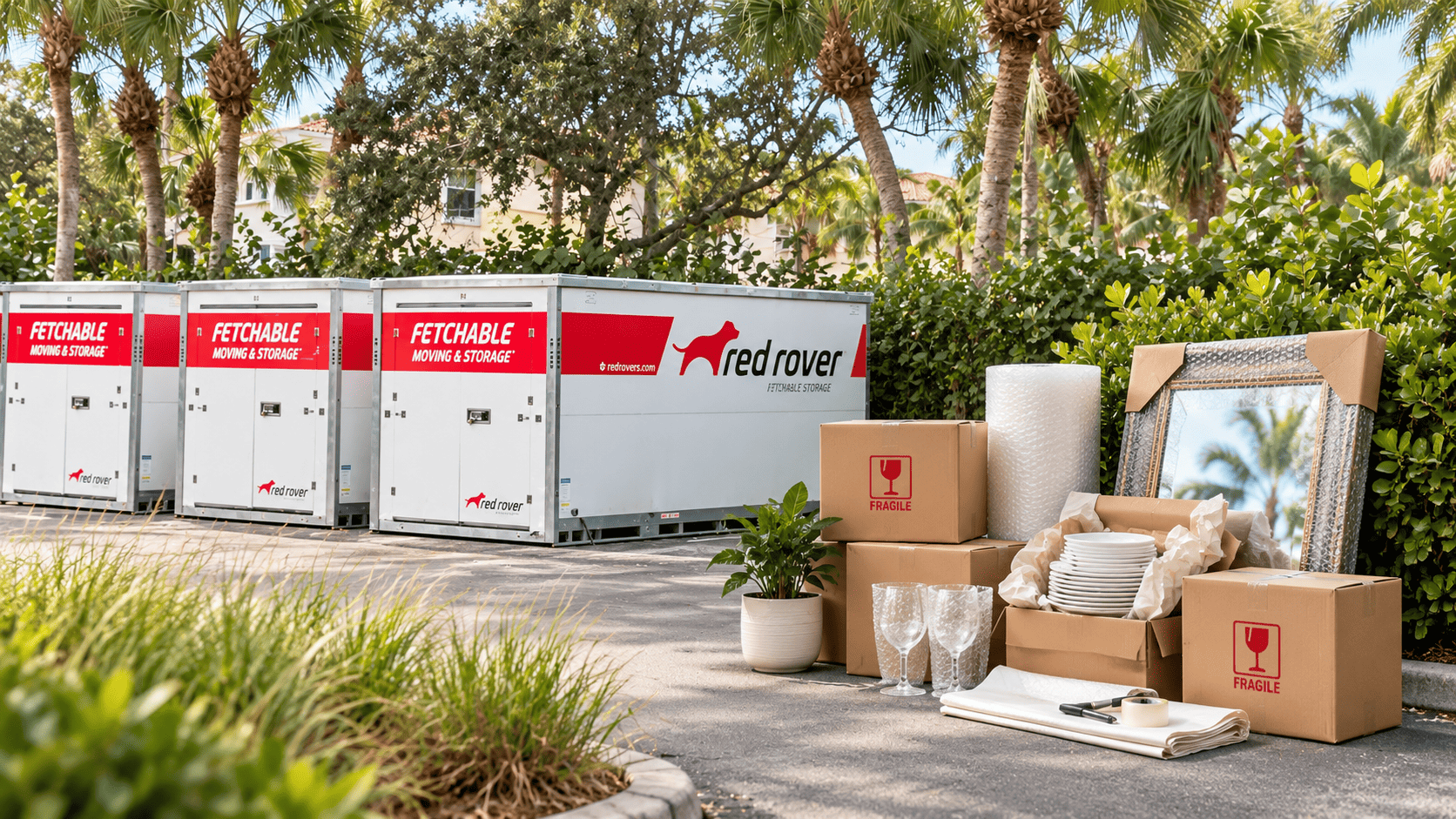
How to Pack Fragile Items for Moving
Protecting delicate belongings begins before you load the container. A strong box alone is not enough. Fragile items also need protection against impact, pressure from other belongings, movement inside the box, and movement inside the container.
Think of the process as two stages: protect each item inside its packaging, then protect the packed box when you load it.
Start With the Right Packing Supplies
Gather your supplies before you begin so you can work carefully without stopping midway through the process. Choose sturdy small and medium moving boxes for most belongings, and use dish boxes or double-wall boxes for especially delicate items.
Keep packing paper, bubble cushioning, moving blankets, furniture pads, cardboard dividers, and corner protectors nearby. Use strong packing tape to seal boxes and stretch wrap to secure furniture coverings. Have markers or fragile labels ready to identify delicate contents.
You will also need suitable rope or moving straps to secure larger items inside the container.
Choose boxes that are dry and in good condition. Avoid boxes with crushed corners, weak sides, or damaged bottoms.
Wrap Fragile Items Individually
Do not rely on a single thick pad around several fragile objects.
Wrap each glass, dish, ceramic piece, and decorative item separately. This prevents direct contact between delicate surfaces and gives each piece its own protective layer.
Start with packing paper, then add bubble cushioning or another protective layer when extra impact protection is needed. Pay particular attention to glass stems, handles, corners, thin edges, and protruding parts.
For hollow objects such as glasses or vases, gently place soft packing paper inside the opening before wrapping the outside.
Cushion the Bottom and Top of Every Fragile Box
Create a protective base before placing anything inside a box.
Use crumpled packing paper, bubble cushioning, foam, or another suitable soft material. This layer helps cushion belongings as the box is carried, stacked, or transported.
After packing the contents, add another protective layer across the top before closing the box. Delicate objects should not touch the box’s top, bottom, or sides without cushioning between them.
Fill Empty Space Inside the Box
A key part of learning how to pack fragile items for moving is preventing loose contents from shifting.
After packing a box, gently check for movement. If you hear rattling or feel objects moving, add cushioning before sealing it.
Crumpled packing paper, bubble cushioning, towels, soft linens, foam, and other clean, lightweight padding can fill open spaces. Cushion the gaps around fragile objects rather than forcing delicate pieces tightly together.
How to Pack Different Fragile Items for Moving
Different belongings need different packing methods. A mirror should not be packed like a wine glass, and a television needs different protection from a dinner plate.
How to Pack Dishes and Plates
Wrap each plate individually in packing paper or protective cushioning.
Whenever possible, place wrapped plates vertically on their edges, like records on a shelf, rather than stacking them flat. Add cushioning around them so they remain in place without sliding sideways.
Avoid filling a large box with heavy dishes. Smaller boxes are easier to handle and place less strain on both the box and the person carrying it.
How to Pack Glasses and Stemware
Gently place packing paper inside each glass, then wrap the outside. Add extra cushioning around delicate stems and other vulnerable areas.
Use divided glassware boxes whenever possible. The dividers separate individual pieces and help prevent them from knocking together during the move.
Before sealing the box, check that each glass sits securely within its protective packaging.
How to Pack Mirrors and Framed Artwork
Protect both the surface and corners of mirrors and framed artwork.
Use cardboard corner protectors where possible, cover the item with suitable protective material, and place it inside a properly fitted mirror or picture box.
Keep large framed pieces upright and secured inside the container so they cannot fall forward or slide sideways. Do not place heavy boxes against or on top of them.
How to Pack Electronics
Use the original packaging for televisions, monitors, computers, speakers, and other electronics whenever it is available.
Otherwise, remove detachable accessories and organize the cables before packing. Protect screens with suitable non-abrasive material, cushion the device, and place it in a sturdy, appropriately sized box. Fill open spaces so the equipment cannot shift.
For extended storage, consider the equipment’s sensitivity to heat and humidity before choosing a storage arrangement. This is especially important in hot or humid climates, where temperature and moisture may affect delicate electronics.
How to Use Portable Moving Containers for a Stress-Free Move
A portable moving container gives you more control over how your belongings are organized before transportation.
Before loading, plan where heavy furniture, fragile boxes, and frequently needed belongings will go. A clear layout can reduce last-minute rearranging and help you avoid placing delicate boxes in unsafe positions.
Packing carefully is only part of the job. The next step is making sure those well-packed boxes have stable, protected positions inside the container.
Best Practices for Packing a Portable Storage Container
How you arrange your belongings matters just as much as how you wrap them. Build a stable load, protect vulnerable items, and secure each section as you work.
1. Start With a Strong Foundation
Use heavy, solid, stable items—such as sturdy furniture, durable appliances, and strong boxes—as the base.
Place heavier belongings low and lighter boxes above them. Avoid putting fragile boxes at the bottom of a tall stack.
2. Distribute Weight Evenly
Do not place all the heaviest belongings on one side or at one end of the container.
Spread weight throughout the space as evenly as possible to create a more balanced load. Follow this approach throughout loading rather than trying to correct an uneven arrangement at the end.
3. Create a Protected Area for Fragile Boxes
Do not place fragile boxes wherever space happens to remain.
Choose stable positions where they cannot be crushed from above, pushed sideways, or struck by furniture that could tip. Keep them away from unsecured dressers, tool chests, and other heavy objects.
Even a carefully packed box can suffer damage if large furniture shifts against it.
4. Use Vertical Space Carefully
Make use of vertical space without building unstable towers simply to reach the ceiling.
Stack similarly sized boxes where practical, keeping each stack supported. Fill suitable gaps with lightweight belongings such as pillows, blankets, cushions, soft bags, or linens.
These materials can help reduce open spaces without adding excessive pressure to delicate boxes.
5. Protect Furniture Edges
Wrap furniture with moving blankets or furniture pads before placing it next to fragile boxes.
Pay attention to table corners, chair legs, metal edges, bed frames, shelving, and exposed hardware. A sharp corner can damage a cardboard box when the two rub together during transportation.
Disassembling large furniture can also create more manageable shapes and make the container easier to organize.
6. Secure Sections as You Load
Do not wait until the container is full before considering how the contents could move.
Use suitable straps or rope to secure each section. Where available, use the container’s interior tie-down points to help hold belongings in place.
Consider what could slide, fall, or tip when the vehicle turns, stops, accelerates, or travels over uneven roads. Address those risks before moving to the next section.
7. Position Fragile Boxes After Heavy Items
Within each section, place sturdy furniture and heavy boxes before positioning delicate boxes in their protected spaces.
This reduces the need to maneuver large objects around fragile belongings later and helps prevent accidental crushing or contact damage.
8. Keep Important Items Accessible
The first items you load are usually among the last you unload.
Place belongings you will need soon after arrival closer to the container door, where practical. Bedding, towels, basic kitchen items, and a small toolbox may be useful during the first stages of unpacking.
Keep important documents, irreplaceable valuables, and possessions you do not want separated from you out of the container and with you during the move.
What is the Best Way to Pack a Portable Storage Container?
The best approach combines close packing with balanced loading.
Keep heavy, sturdy furniture and boxes at the base, use stable positions for lighter boxes, and protect delicate belongings from pressure. Fill suitable gaps without forcing fragile items into spaces where they could be crushed.
There is no benefit in fitting more inside if the arrangement becomes unstable. Follow the securing guidance above as you finish each section rather than relying on tightly packed boxes alone.
Common Mistakes When Moving Fragile Items
Using Boxes That Are Too Large
Dishes and other dense belongings can quickly make a large box difficult to handle safely. Choose a box that fits the item and its cushioning without becoming overloaded.
Leaving Empty Space Inside Boxes
Do not seal a box while its contents still rattle or shift. Add enough padding to keep objects separated and supported.
Putting Heavy Boxes on Fragile Boxes
Avoid placing heavy boxes directly on top of delicate belongings. Protect fragile boxes from unnecessary pressure, even when their outer packaging looks strong.
Forgetting to Label Delicate Contents
Mark fragile boxes clearly before loading. Write “FRAGILE — THIS SIDE UP” on more than one side so the instructions remain visible when boxes are stacked.
Loading Beside Unsecured Furniture
Check that large furniture is secure before placing fragile boxes nearby. Protective wrapping cannot compensate for a heavy item falling against a box.
Packing Damp Belongings
Make sure furniture, blankets, boxes, clothing, and other belongings are completely dry before storage.
Moisture trapped inside packed contents can contribute to mildew, odors, and other storage problems.
Rushing the Loading Process
Allow enough time to check awkward or delicate items before moving on. A few extra minutes spent protecting a mirror or securing a stack of boxes can prevent problems that are much harder to address after transportation.
Make Fragile Items Easy to Find When You Unload
Good organization makes unpacking easier without requiring an elaborate labeling system.
Mark each box with its room, contents, and handling instructions. You can also number boxes and keep a simple inventory on your phone to track delicate or important belongings.
Use a consistent method so anyone helping with the move can understand where each box belongs and how it should be handled.
Should You Hire Professional Packing and Moving Help?
You can pack many fragile belongings yourself, but some moves call for additional help.
Professional assistance may be useful for large mirrors, oversized artwork, heavy furniture, major appliances, or a large number of fragile boxes. It may also help when lifting is difficult or the moving schedule is tight.
Some moving and storage providers can arrange packing, loading, and unloading services. Ask about the help available for your particular belongings rather than assuming every service includes specialist packing.
Why a Portable Moving Container Can Reduce Handling
Moves that include temporary storage can involve several rounds of loading and unloading.
A portable storage container can reduce some of those transfers because belongings may remain in the same container while it moves from your property to storage and then to your destination.
Fewer transfers mean fewer occasions when delicate boxes need to be lifted, carried, or rearranged. This does not replace careful packing, but it can simplify the movement of belongings between stages of the move.
How to Pack Fragile Items for Moving: Quick Checklist
Before pickup, check that you have:
- Used sturdy boxes and wrapped fragile items individually.
- Cushioned the bottom, sides, and top of delicate packages.
- Filled empty spaces without pressing fragile pieces together.
- Labeled boxes clearly and protected furniture edges.
- Kept heavy items low and distributed weight evenly.
- Placed delicate boxes in stable positions protected from crushing.
- Secured the load and filled suitable gaps.
- Packed only clean, dry belongings.
- Kept important documents and irreplaceable valuables with you.
- Closed and locked the container before pickup.
A final inspection gives you a chance to address problems before the container moves.
Frequently Asked Questions About Packing Fragile Items in a Portable Moving Container
How Do You Pack Fragile Items for Moving?
Wrap each item separately, use a sturdy box, cushion all sides, and fill open spaces. Label the box and place it in a stable position where heavier belongings cannot crush it.
What Should I Use to Wrap Fragile Items?
Packing paper, bubble cushioning, foam, moving blankets, and cardboard dividers can provide protection. Choose materials that suit the item’s surface, shape, and vulnerable parts.
Should Fragile Items Go at the Top or Bottom of a Moving Container?
Heavy, sturdy belongings should generally form the base. Lighter fragile boxes can sit above them in stable, protected positions. Avoid putting delicate boxes at the bottom of stacks or in unsecured positions high above the floor.
How Do I Stop Boxes From Moving Inside a Portable Container?
Arrange boxes closely, fill suitable gaps, and secure sections with appropriate straps or rope. Use available tie-down points and check that larger objects cannot slide or fall against nearby boxes.
Should Plates Be Packed Flat or Vertically?
Pack individually wrapped plates vertically on their edges, with cushioning around them, rather than placing them in a heavy flat stack.
Can I Store Electronics in a Portable Moving Container?
Some electronics can be moved in portable containers, but their suitability for storage depends on environmental conditions and storage duration. Consider heat, humidity, and moisture sensitivity before selecting an arrangement.
What Size Portable Moving Containers Are Available?
Portable containers come in different sizes, including 8-foot and 16-foot options.
Capacity varies with the container and the belongings being loaded. An 8-foot container may accommodate approximately one to two rooms, while a 16-foot container may hold around three to four rooms. Confirm dimensions, capacity, and suitability with your provider rather than relying only on room estimates.
Pack Carefully. Move With More Confidence.
Fragile belongings do not have to make your move overwhelming. A thoughtful packing plan, careful loading, and enough time to protect delicate items can make the process more manageable.
Whether you are moving across town or across Florida, focus on preparing each item properly and giving it a stable place inside the container. That preparation can help your belongings reach their destination in better condition.
Ready to plan your move? Contact your portable moving container provider for a quote and discuss the storage or moving options that fit your needs.
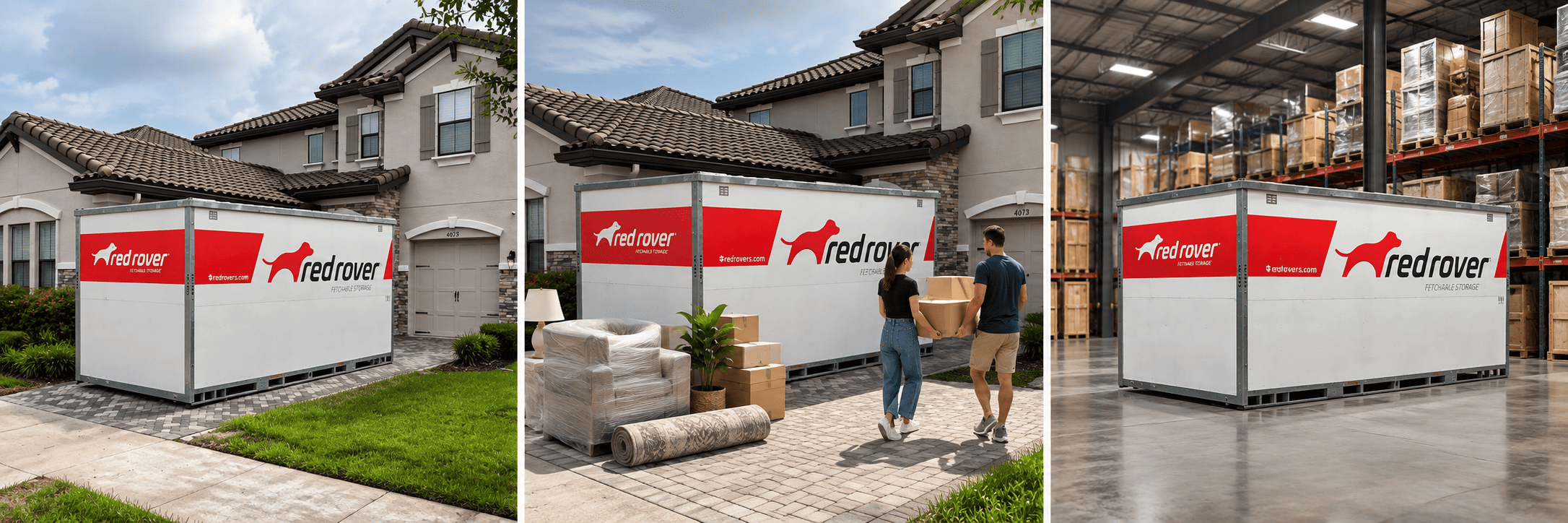

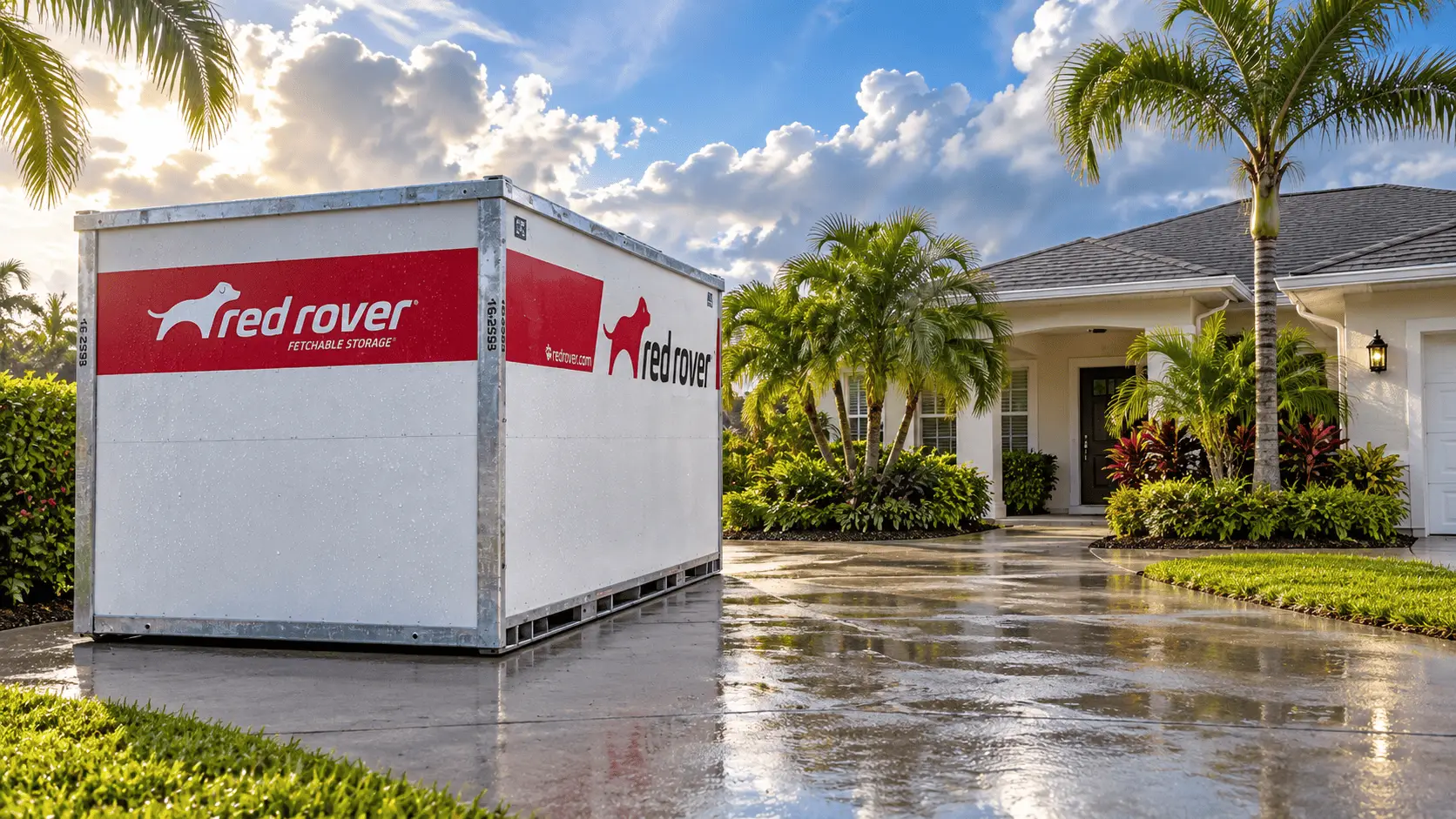

 Now Serving Orlando!
  Portable Moving & Storage Delivered to Your Door —
  Same-Day Delivery Available |
  We’ll Beat Any Competitor’s Price! -