

Renovating a hospital, clinic, medical office, or other healthcare building can create major logistical challenges, since medical equipment, furniture, administrative materials, maintenance supplies, and other items may need to be moved temporarily while contractors work on site.
At the same time, healthcare organizations usually must continue caring for patients during the renovation.
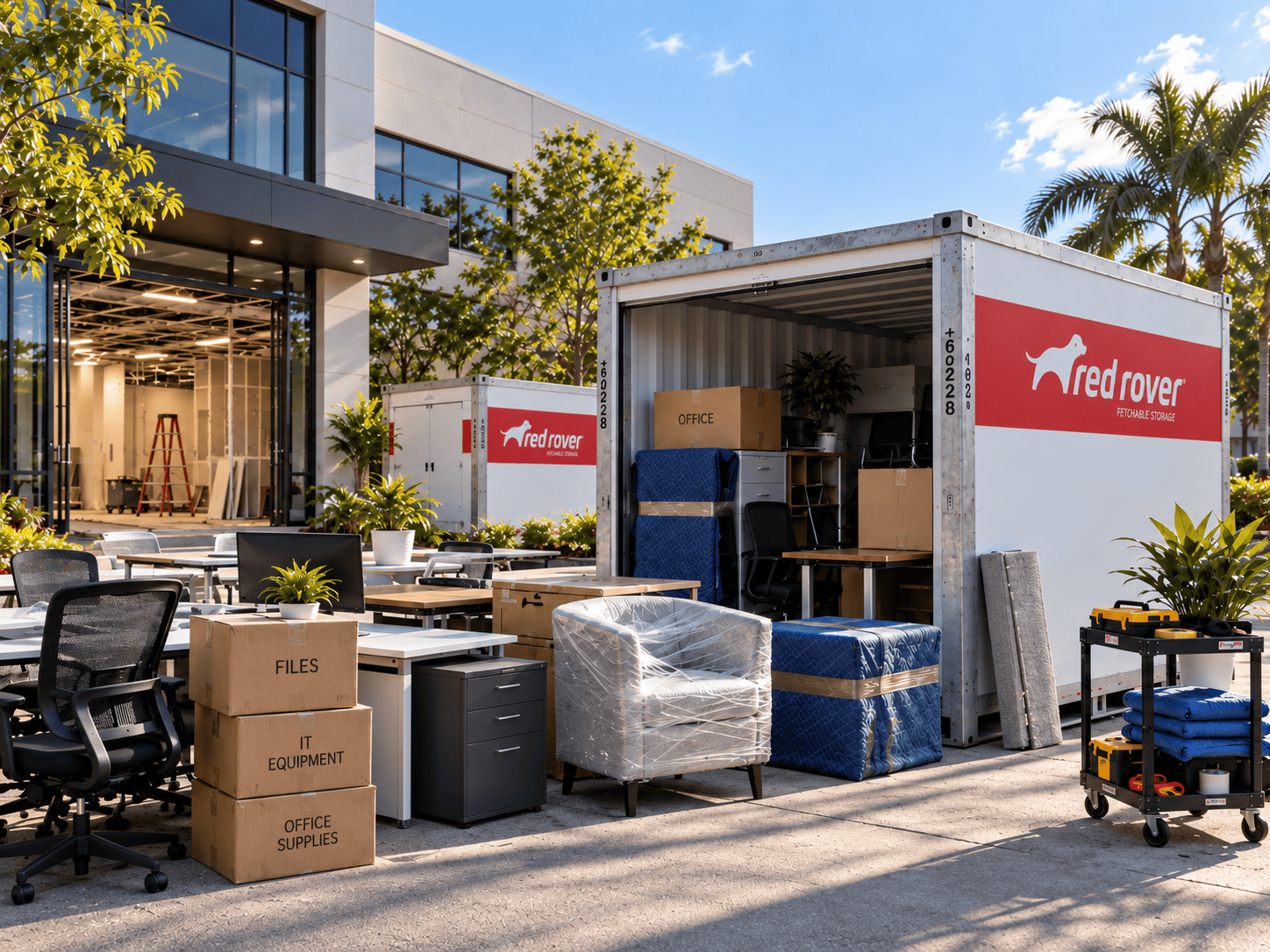
Healthcare facilities can use portable storage containers to gain flexible temporary storage space during remodeling. This approach keeps many non-sensitive items near the building instead of moving equipment and supplies to an external warehouse, while freeing up interior space for construction.
If properly planned, portable storage during a healthcare facility renovation can help organizations stay organized, use available space more effectively, reduce interruptions to normal operations, and support a smoother renovation overall.
Why Healthcare Facilities Need Portable Storage During Renovations
Renovating healthcare facilities is usually more complicated than renovating ordinary commercial buildings.
Hospitals and medical facilities can stay open during construction because staff still need access to needed equipment and supplies, patients must be able to move safely around the building, and contractors need enough space to work efficiently.
Renovations can temporarily displace items such as medical equipment and office furniture.
- Medical equipment that is not currently in use
- Office furniture
- Filing and administrative materials
- Maintenance equipment
- Shelving and storage systems
- Non-sensitive medical supplies
- Department furniture and fixtures
- Construction materials and tools
If no temporary storage plan is in place, these items might end up taking up space in hallways, unused rooms, offices, or other areas that could otherwise support hospital operations.
Facility managers can also use portable storage containers on-site in an approved spot. This lets teams remove items from renovation areas while keeping them close by.
For that reason, healthcare facility storage should be part of a broader healthcare renovation and space-management strategy, especially when facilities need to stay organized during construction and transition smoothly to the next stage.
Healthcare Industry Uses for Portable Storage Containers
How a medical facility uses portable storage will vary by facility, renovation scope, available space, and the types of items being moved. The examples below show common uses and how they fit different renovation needs.
Common uses include the following.
Temporary Storage for Medical Equipment
Renovation work may require temporarily clearing examination rooms, treatment areas, offices, or other departments.
Portable storage can temporarily store medical equipment that does not require special environmental controls.
Please arrange equipment by room, department, or project phase to help staff locate it easily and return it when the renovated spaces are available again.
Facility managers should verify the manufacturer’s storage requirements and confirm the equipment is appropriate for portable storage before placing it in a storage container. They should also ensure the storage conditions meet the medical equipment’s needs and do not require other controlled conditions or compliance measures. Also consider compliance with key healthcare standards such as Joint Commission regulations for equipment management, OSHA guidelines for workplace safety, and HIPAA requirements for protecting any sensitive patient information associated with stored devices or materials. Considering these standards helps ensure all regulatory obligations are met during storage.
Furniture and Office Storage
During a renovation, desks, chairs, cabinets, shelving, tables, waiting-room furniture, and administrative equipment can take up a great deal of valuable indoor space.
Moving items into portable storage containers helps keep the construction site clearer and more efficient while keeping furnishings organized for re-installation.
This can be especially useful during renovations of:
- Medical offices
- Reception areas
- Administrative departments
- Patient waiting rooms
- Staff offices
- Break rooms
- Conference spaces
Medical Supply and Inventory Storage
Healthcare organizations have many supplies, and renovations may temporarily reduce available storage space.
Portable storage containers can provide extra space for approved non-sensitive supplies and general inventory.
Medications, vaccines, sterile products, chemicals, biological materials, and temperature-sensitive supplies must still be stored in accordance with manufacturer requirements, facility policies, relevant regulations, and environmental controls. These items should not be placed in portable storage unless that storage meets all the required conditions. Place only approved items that do not require special compliance conditions in portable storage.
Common compliance pitfalls during renovations include mistakenly storing regulated or temperature-sensitive items in non-compliant containers, failing to maintain required environmental controls, leaving confidential patient information accessible in storage units, or mixing hazardous materials with general supplies. To avoid these frequent mistakes, always verify storage requirements with compliance officers, review current inventory for regulated items before moving them, and regularly inspect portable storage to ensure ongoing compliance with healthcare standards.
Portable storage should not replace a healthcare facility’s existing inventory and compliance procedures; it ought to complement them.
Storage During Department Renovations
Large healthcare renovations are usually carried out in stages, so storage needs often change as the work progresses.
For instance, one wing or department can be renovated while the rest of the building continues to operate. Once that stage is finished, staff can move equipment and furniture back before other work begins.
Portable storage containers enable this step-by-step method by providing extra space as departments move from one renovation stage to the next.
Maintenance and Facility Management Storage
Renovations also create extra storage needs for facility management and construction teams.
Portable storage helps organize maintenance equipment, tools, replacement fixtures, building materials, and other project-related items.
Keeping materials outside areas where patients and staff are present can also reduce unnecessary congestion throughout the building.
5 Benefits of Portable Storage Containers for Healthcare Facilities
When remodeling a medical facility, portable storage solutions offer several advantages. These benefits show how they support renovation work and daily operations at the same time, reducing disruption in specific ways. Convenient On-Site Access
1. A major benefit of portable storage is its proximity.
Rather than transporting items to a distant warehouse or conventional self-storage facility, a portable storage container can be placed at or near the renovation site, if property conditions and local requirements allow.
It lets authorized staff access stored items as needed without making multiple trips to an off-site location.
2. Greater usable interior space
In an active healthcare environment, space is especially valuable.
Furniture, equipment, supplies, and renovation materials kept in rooms or corridors that are not in use can quickly create clutter and disrupt workflow.
By moving relevant items to portable storage, healthcare organizations can create space for construction work, temporary workspaces, equipment movement, or ongoing operations.
3. Flexible Storage During Different Renovation Phases
Medical facility renovation projects do not always follow a simple timetable.
Portable storage containers afford flexibility because facilities can choose storage capacity based on their project requirements and rental period.
Portable storage containers provide flexibility because facilities can select storage capacity based on their project needs and rental period.
As renovation work progresses through different stages, teams can reorganize items or return them to completed areas.
4. Secure Storage for Appropriate Items
Secure portable storage containers can provide a designated location for furniture, equipment, supplies, and other approved materials during construction.
When preparing a storage plan, facilities should consider locking systems, container construction, site access, security procedures, lighting, and monitoring. Security protocols may include implementing badge access systems for staff, requiring visitor sign-ins, installing security cameras with regular surveillance checks, and scheduling routine container inspections. Together, these measures help prevent unauthorized access and protect stored items during construction.
They should also decide which items suit portable storage and which need specialized storage conditions. Only items that meet the facility’s compliance requirements should go into portable storage, and items requiring special controls should remain in their required storage.
5. Less disturbance of daily operations
The main advantage is better organization.
Construction work already creates activity in a healthcare setting, and a planned location for temporarily moved items makes it easier for employees, contractors, and facility managers to carry out their tasks during the renovation.
A well-organized portable storage system keeps renovation materials and moved furniture out of work areas, helping healthcare staff stay focused on normal facility operations and finish the renovation with less disruption.
How Portable Storage Can Reduce Interruption During a Medical Facility Remodel
Portable storage is most effective when it is incorporated into the renovation plan before construction starts. To make temporary storage more efficient, healthcare facility managers can take several steps.
Healthcare facility managers can take several steps to make temporary storage more efficient, beginning with identifying what needs to be moved.
Identify What Needs to Be Moved
First, list all items in the area being renovated.
Separate items into categories such as
- Items remaining in the facility
- Items moving to another department
- Items suitable for portable storage
- Items requiring particular storage
- Items being disposed of or replaced
This practice stops unnecessary items occupying valuable temporary storage space.
Organize Containers by Department or Renovation Phase
Don’t put everything into a container without a system. Instead, clearly label boxes, shelves, equipment, and storage areas by department, room, or project phase so items stay easy to track.
Label boxes, shelves, equipment, and storage areas by department, room, or project phase, and include only items that are appropriate for portable storage. Keep items calling for specialized storage conditions separate so the system stays organized and each area moves cleanly into the next.
For instance, a site going through multiple renovation phases could set up separate storage areas for the administrative offices, examination rooms, waiting areas, and maintenance equipment. With a clear plan for storing and organizing items, portable storage can help healthcare facilities stay efficient, reduce disruption, and support a smoother renovation from start to finish.
An organized system makes it much easier to retrieve and reinstall items.
Keep Frequently Needed Items Accessible
Arrange items you may need during construction so they are easy to access.
Place frequently needed materials near the container entrance, and put furniture or equipment you won’t use until the end of the project farther inside. By keeping items organized and accessible, portable storage can help healthcare facilities reduce disruption and support smoother renovation work.
It is also useful for staff to create a list or simple container diagram so they can locate items without moving other materials each time.
Plan Container Placement Carefully
Container placement can affect both user-friendliness and facility operations, so plan it carefully. When selecting where to locate portable storage containers, managers should prioritize emergency access. Ambulance routes, emergency exits, and fire lanes must remain clear at all times to ensure uninterrupted patient care and quick response during any emergency. A well-planned portable storage setup can help healthcare facilities stay organized, maintain ongoing operations, and reduce interruption during renovation.
Before delivery, consider:
- Available parking or loading areas
- Ambulance and emergency access
- Patient and visitor traffic
- Employee parking
- Delivery routes
- Fire lanes
- Construction staging areas
- Local permitting or property requirements
- Access required by facility and emergency personnel
The goal is to keep storage accessible without creating new challenges for the healthcare facility.
Coordinate With Contractors and Facility Teams
Plan storage arrangements in coordination with the renovation schedule so storage needs and construction phases align. Review the final phase to ensure items are returned, stored, or moved in a way that supports normal operations and keeps the facility organized through the end of the project.
Everyone involved—such as facility managers, department heads, contractors, and storage providers—should know when to clear areas and when to return items.
This reduces unnecessary handling and helps prevent equipment or furniture from being moved more than once.
Choosing Portable Space and Storage Solutions for the Medical Industry
Not every storage container or setup suits a healthcare renovation.
When choosing portable space and storage solutions for a medical facility, consider several factors.
Container Size
Estimate how much equipment, furniture, and inventory will need temporary storage.
If a container is too small, it can cause overcrowding, but too much unused capacity will add extra costs.
Facilities undergoing large or phased renovations may benefit from multiple containers organized by department or project stage.
Security
Familiarize yourself with the available security features and determine any additional site controls that may be necessary. When selecting a portable storage vendor, evaluate their certifications, experience in healthcare environments, and ability to respond quickly to service needs. Choosing a provider familiar with healthcare regulations who can demonstrate compliance, along with responsive customer support, will help ensure reliable storage and a smoother renovation process.
This could include locks, controlled access, surveillance, fencing, lighting, or facility-specific security procedures.
You must manage any sensitive records and regulated materials in accordance with the relevant privacy, security, and compliance requirements.
Accessibility
Consider how often staff will need to access items.
To ensure regular access, organize the storage so the most important items remain accessible without emptying the entire container.
Environmental Requirements
Certain equipment and medical supplies have strict requirements for temperature, humidity, sanitation, and other environmental conditions.
A standard portable storage container may not be appropriate for these materials.
When considering climate-controlled portable storage containers, healthcare organizations should check the operating specifications and decide whether those conditions meet the requirements for the equipment or materials they are storing.
Lease Term
Because renovations can affect schedules, it’s best to understand the rental periods, available extension options, delivery policies, and pickup procedures in advance. Facility managers should also budget for potential schedule overruns and related costs. Planning for these possibilities can help avoid unexpected expenses and keep the overall project on track.
Building flexibility into the storage plan helps avoid problems if construction takes longer than expected.
Delivery and Placement
Healthcare facilities should verify that the suggested location can accept and retrieve the container.
Before arranging delivery, consider clearance, surface condition, traffic patterns, emergency access, loading areas, and any restrictions imposed by buildings or the municipality.
Portable storage can also support other commercial environments, including restaurants and hospitality facilities, where furniture, equipment, and supplies may need to be temporarily relocated during renovations.
Things to Know About Portable Storage for Healthcare Renovations:
What can healthcare facilities do when carrying out renovations regarding the use of portable storage containers?
Healthcare facilities can temporarily move approved furniture, equipment, administrative materials, maintenance items, and non-sensitive supplies into portable storage containers while rooms or departments are being remodeled. This arrangement frees up interior space for construction while keeping stored items near the facility.
What can hospitals keep in portable storage containers?
Hospitals may store furniture, office equipment, maintenance materials, non-sensitive supplies, and some medical equipment, depending on the container type and environmental conditions.
You should only keep items that need to be stored at controlled temperatures, in sterile environments, or that require special security or regulatory handling in environments that meet those specific requirements.
Are portable storage containers safe enough for medical equipment?
Portable storage containers can offer security features like a strong structure and locking mechanisms, but whether they are appropriate depends on the equipment being stored and the healthcare organization’s security needs.
Before storing valuable equipment, assess both the container’s security features and the security of the surrounding site.
How does portable storage help lower interference during a medical facility remodel?
Portable storage lets you move displaced furniture, equipment, and supplies out of the renovation area. This provides contractors more working space and helps staff keep temporary inventory organized and accessible.
Which portable storage container size would be best for a healthcare renovation?
The best size depends on the area being renovated, the number and size of items you are moving, the space available for placement, and the project duration.
Facility managers can get a more accurate estimate of the storage capacity they need by drawing up a list before ordering a container.
Simplify Your Healthcare Facility Renovation With Portable Storage
Healthcare renovations call for careful coordination among facility managers, medical staff, contractors, vendors, and other teams.
A well-planned portable storage system can simplify the process by providing temporary space for approved equipment, furniture, supplies, and renovation materials.
Portable storage containers can keep displaced items organized during multi-office remodels or larger hospital renovations, create more usable interior space, and support a phased construction schedule.
If facility managers choose the right container size, plan storage placement, keep inventory organized, and follow healthcare storage requirements, they can use portable storage as an effective part of their renovation strategy.
If your healthcare facility is remodeling or expanding, consider portable storage from the start of the project plan. Having temporary space available before construction starts will help keep the renovation organized from the first stage through to the final move-in.


 Now Serving Orlando!
  Portable Moving & Storage Delivered to Your Door —
  Same-Day Delivery Available |
  We’ll Beat Any Competitor’s Price! -