
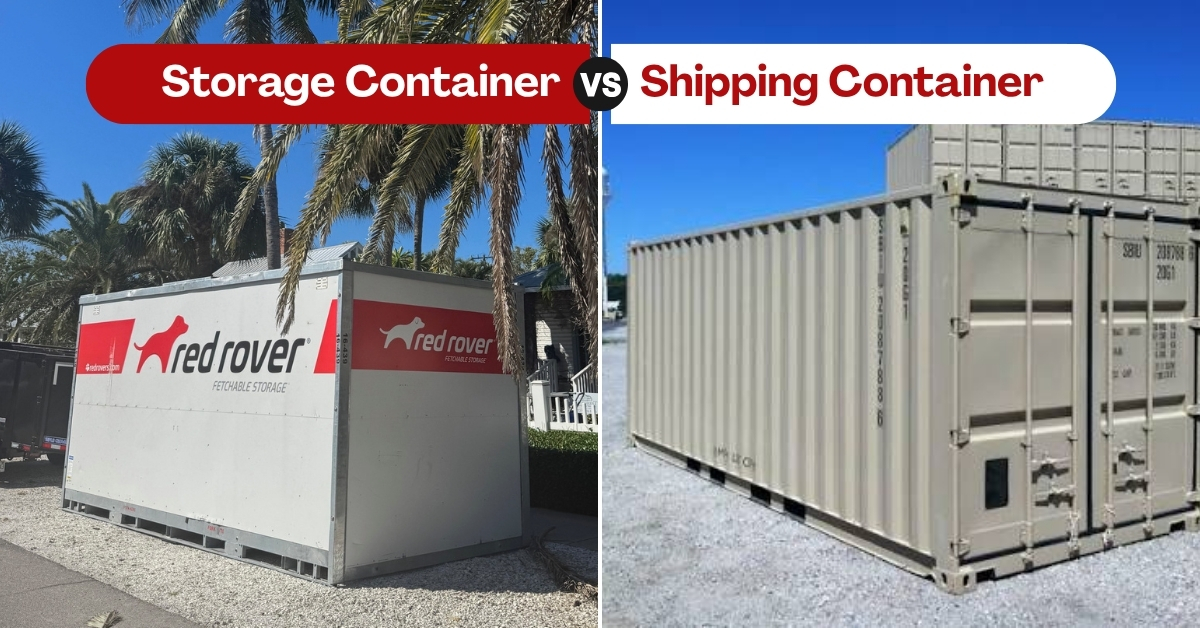
When comparing storage options, you may come across two similar terms: storage container and shipping container. At first, they may sound the same. Both are large containers used to hold belongings, equipment, tools, inventory, or materials. However, they serve different purposes, and choosing the right one can make your moving or storage project much easier.
A storage container is usually designed for temporary or long-term storage at a home, business, job site, or storage center. A shipping container, on the other hand, is mainly designed to transport cargo across long distances by ship, train, or truck. The best choice for a container depends on how you plan to use it, where it will be placed, how often you need access, and whether you need it moved.
What Is a Storage Container?
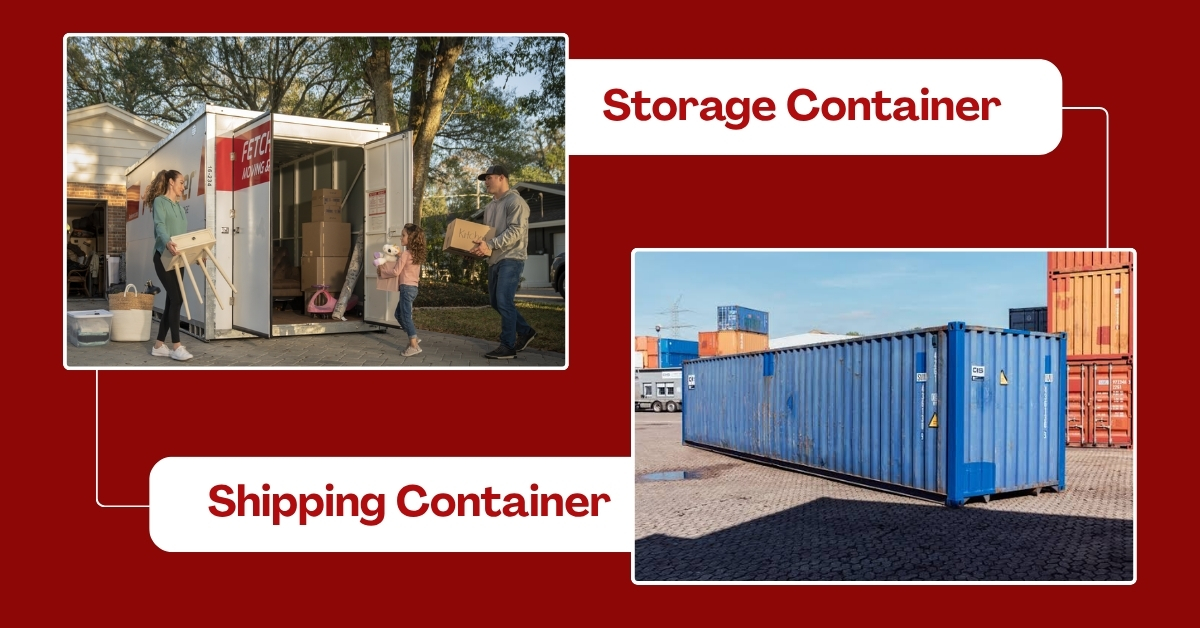
A storage container is a portable container used to store household items, business inventory, tools, furniture, equipment, seasonal items, or moving boxes. It is often delivered directly to your location so you can load it at your pace. After loading, you can keep it on your property or move it to a storage facility.
Storage containers are commonly used during local moves, home renovations, decluttering projects, office relocations, business storage needs, and job-site projects. They are helpful because they bring storage space directly to you, rather than requiring you to drive back and forth to a traditional self-storage facility.
For homeowners, a storage container can be useful when replacing floors, painting rooms, remodeling a kitchen, cleaning out a garage, or preparing for a move. For businesses, it can provide extra space for supplies, files, furniture, seasonal inventory, or equipment. For contractors, it can help keep tools and materials organized near the work area.
What Is a Shipping Container?
A shipping container is a heavy-duty container built to transport goods across long distances. These containers are commonly used in international trade and freight shipping. They are designed to be stacked, lifted by cranes, moved by trucks, loaded onto trains, and carried on cargo ships.
Shipping containers are usually made of strong steel and built to withstand harsh transportation conditions. They are often used for commercial freight, overseas cargo, industrial storage, construction materials, and large-scale transportation needs.
Because shipping containers are built for freight movement, they are often larger and heavier than portable storage containers used for residential moving or temporary storage. They can be useful for certain industrial or commercial purposes, but they may not always be the most convenient option for homeowners or small businesses that need flexible, easy-access storage.
The Main Difference Between a Storage Container and a Shipping Container
The main difference is purpose. A storage container is designed mainly for storing belongings, while a shipping container is designed mainly for transporting cargo.
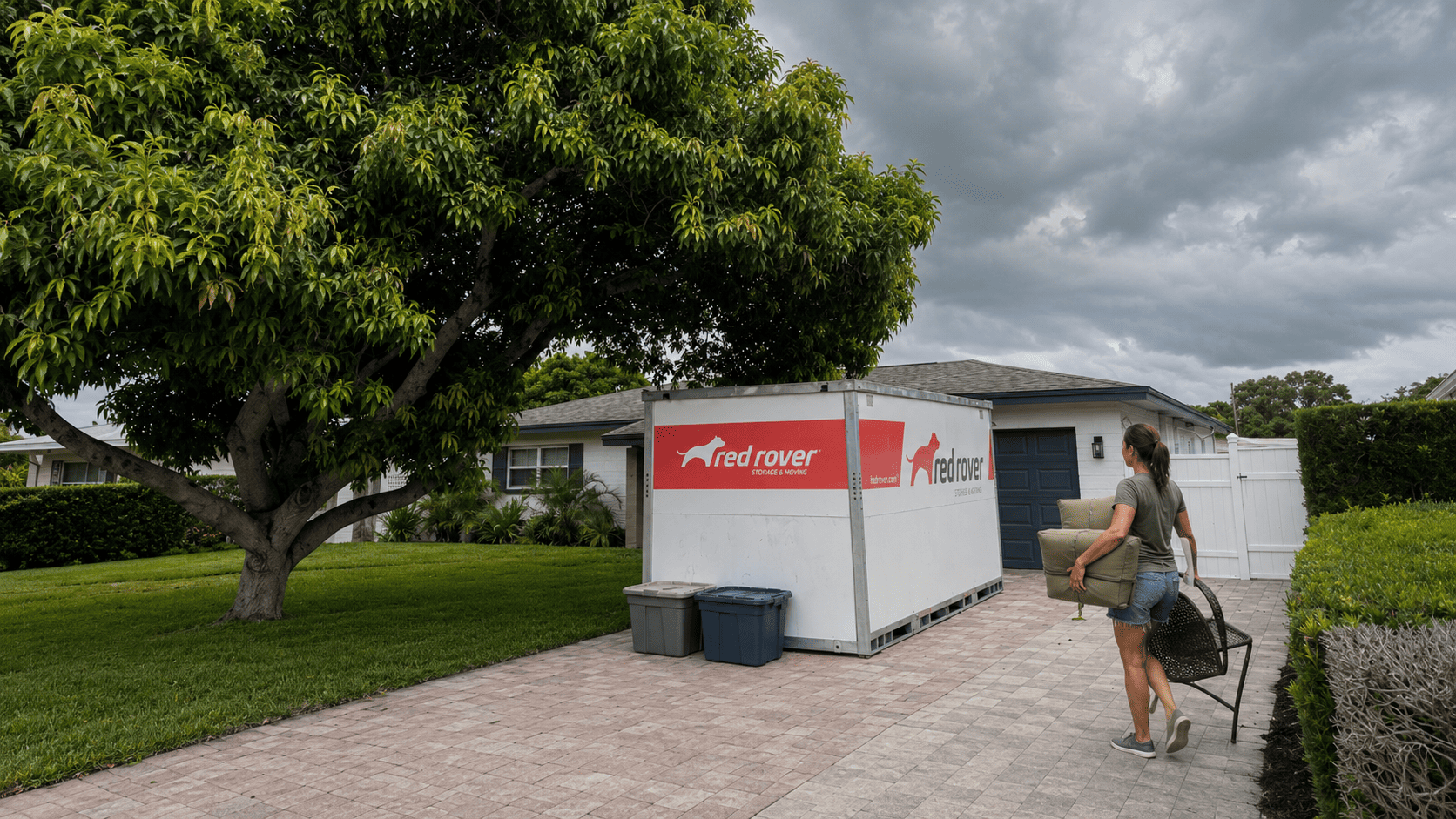
A storage container is usually the better option when you need convenient access to your belongings during a move, renovation, business project, or short-term storage need. It is often delivered to your property and placed in a driveway, parking area, business lot, or job site.
A shipping container is usually the better option when goods need to be transported long distances or moved through freight systems. It is built for cargo shipping and industrial use, not necessarily for everyday access during a home project or local move.
In simple terms, storage containers are usually about convenience and access, while shipping containers are usually about transportation and durability.
Which Container Is Better for Moving?
For most local moves, a portable storage container is usually the better choice. It allows you to load your belongings at your own pace without rushing everything into a rental truck in one day. Once the container is loaded, it can either stay on-site temporarily or be moved to a storage center until you are ready.
This can be especially helpful if your moving dates do not match up perfectly. For example, you may need to leave your current home before your new home is ready. A storage container can help you keep your things between moving out and moving in.
A shipping container can move cargo, but it is usually not the most practical choice for a typical household move. It may be harder to place on residential property, may require special equipment, and it may not offer the same convenient service options as a portable storage container company.
Which Container Is Better for Home Storage?
For home storage, a storage container is usually the more convenient option. It can be delivered to your home, placed in an accessible area, and used while you sort, pack, remodel, or declutter.
If you are working on a home improvement project, a storage container gives you a place to move furniture, boxes, tools, decorations, and other belongings out of the way. Instead of filling your garage, spare room, or living space with clutter, you can keep items nearby in the container.
A shipping container may also be used for storage, but it is often larger, heavier, and less convenient for residential use. Some neighborhoods, HOAs, cities, or apartment communities may also have restrictions on large containers, so it is important to check local rules before placing any container on your property. You can do so by contacting your homeowner’s association, city office, or local permitting department for guidance. They can update you on any permits, size limits, placement rules, or time restrictions that may apply. Taking these steps can help you avoid any unexpected issues or fines.
Which Container Is Better for Business or Job-Site Use?
Both storage containers and shipping containers can be useful for business or job-site needs, but they serve different purposes.
A storage container is often a beneficial choice for businesses that need temporary space during renovations, office moves, seasonal inventory changes, or equipment storage. It can also help retailers, offices, contractors, and service businesses keep important items organized and accessible.
A shipping container may be better for heavy-duty industrial use, large equipment storage, construction materials, or freight-related needs. Shipping containers excel in harsh transportation environments, making them ideal for situations where strength and long-term durability are paramount.
The frequency of item access determines the right choice for many businesses. If you need regular access and flexible placement, a storage container may be more practical. A shipping container might make more sense if you require a heavy-duty container for large materials or freight-style use.
Size and Design Differences
Storage containers often come in sizes suitable for residential and business storage. Portable storage companies may offer smaller and mid-size options that fit more easily in driveways, parking lots, and job sites. These containers are designed to make loading and access easier for everyday users.
Shipping containers are commonly associated with freight sizes, such as 20- and 40-foot containers. They are built for cargo movement and stacking, which makes them strong but sometimes less convenient for smaller storage needs.
The design can also be different. A storage container may be designed with customer access, loading convenience, and local delivery in mind. A shipping container is designed for freight handling, cargo security, and long-distance transport.
Access and Convenience
Access is one of the most significant differences between the two options. A storage container is often used when you need to access your belongings while they are stored. If the container is kept on-site, you can usually open it when needed and continue packing, sorting, or removing items.
With a shipping container, access depends on where it is placed and how it is being used. You might not have regular access while it’s being transported if it’s part of a freight shipment. If it is placed on a property for storage, access may be possible, but delivery, placement, and pickup can be more complex.
Storage containers are often easier to manage for homeowners, renters, and small businesses because the service typically prioritizes convenience. Most portable storage providers include common services such as container delivery to your location, pickup when you are finished, transportation to a nearby storage center if needed, and redelivery to your new address or back to your property. Many companies also offer secure on-site storage, flexible rental periods, and customer support to help you coordinate the details. Understanding the included services can guide you in asking the right questions and selecting the provider that aligns with your project.
Weather Protection and Durability
Both storage containers and shipping containers can offer protection from weather, but the level of protection depends on the container, provider, condition, and how it is used.
Shipping containers are built to withstand harsh transportation conditions, including ocean travel and outdoor exposure. They are usually robust and durable. Used shipping containers can vary in condition, so inspect them before using them for storage. When checking a container, look for signs of rust or corrosion on the exterior and interior surfaces. Make sure there are no holes or cracks in the walls, roof, or floor. Verify that the doors open and close smoothly and that the locking mechanisms are secure. Inspect the door seals and gaskets for wear or damage to help keep water out. Look over the flooring for any rot, soft spots, or damage that could affect the structure. Finally, check for any leaks by looking for stains, damp areas, or signs of water intrusion inside the container. Taking these steps can help ensure your container is secure and suitable for your storage needs.
Storage containers are also designed to protect belongings during storage and moving. For customers in places like Florida, weather can be an important factor because heat, humidity, rain, and storms can affect stored belongings. If you are storing sensitive items such as wood furniture, electronics, documents, photos, artwork, fabrics, business files, antiques, or musical instruments, you may want to ask about storage center options or climate-controlled storage. Items that can sustain damage from temperature fluctuations, moisture, or humidity particularly require climate-controlled storage. Consider choosing climate control if you are storing electronics, antiques, fine art, important paperwork, photographs, leather goods, or any items that could warp, crack, develop mold, or lose value due to environmental conditions. This will help protect your valuable or fragile belongings and give you peace of mind.
Cost Differences
The cost of a storage or shipping container depends on several factors, including size, location, rental duration, delivery distance, pickup requirements, storage type, and availability.
A storage container is often rented for a specific project, such as moving, remodeling, decluttering, or temporary business storage. Pricing may include delivery, monthly rental, pickup, storage center use, or redelivery, depending on the service.
A shipping container may be rented or purchased, depending on the need. Costs can vary based on container size, condition, transportation, delivery equipment, and whether the container is new or used.
When comparing costs, please ensure you are evaluating the same type of service. A low container price may not include delivery, pickup, placement, access to a storage center, or redelivery. The best way to understand the real cost is to request a quote based on your location, container size, timeline, and storage needs.
When choosing a provider, it can also help to compare factors such as the services included, container condition, available security features, and customer reviews. Looking at these details will help you choose the best value and ensure your storage or moving experience meets your needs.
Which One Should You Choose?
Choose a storage container if you need a convenient option for moving, remodeling, decluttering, home storage, business storage, or job-site organization. It is usually the better choice when you want the container delivered to your location, need access to your belongings, or want the option to keep the container on-site or move it to a storage center.
Choose a shipping container if you need a heavy-duty container for freight, industrial use, cargo transport, or long-term equipment storage. It may be the better choice when durability, large capacity, and freight-style transportation are more important than everyday access and convenience.
For most homeowners, renters, local movers, and small businesses, a portable storage container is usually the more practical solution. It offers flexibility, easier access, and service options designed around storage and moving needs.
Final Thoughts
A storage container and a shipping container may look similar, but they are not always used the same way. A storage container is mainly designed to make storage and moving easier. A shipping container is mainly designed to move cargo through freight systems.
If you need extra space during a move, renovation, cleanout, business project, or temporary storage period, a portable storage container may be the better fit. If you need a container for freight, industrial storage, or heavy-duty cargo use, a shipping container may be the right choice.
Before booking or buying either option, think about your space, timeline, access needs, container size, local rules, weather concerns, and budget. The right container should make your project easier, not more complicated.

 Now Serving Orlando!
  Portable Moving & Storage Delivered to Your Door —
  Same-Day Delivery Available |
  We’ll Beat Any Competitor’s Price! -