
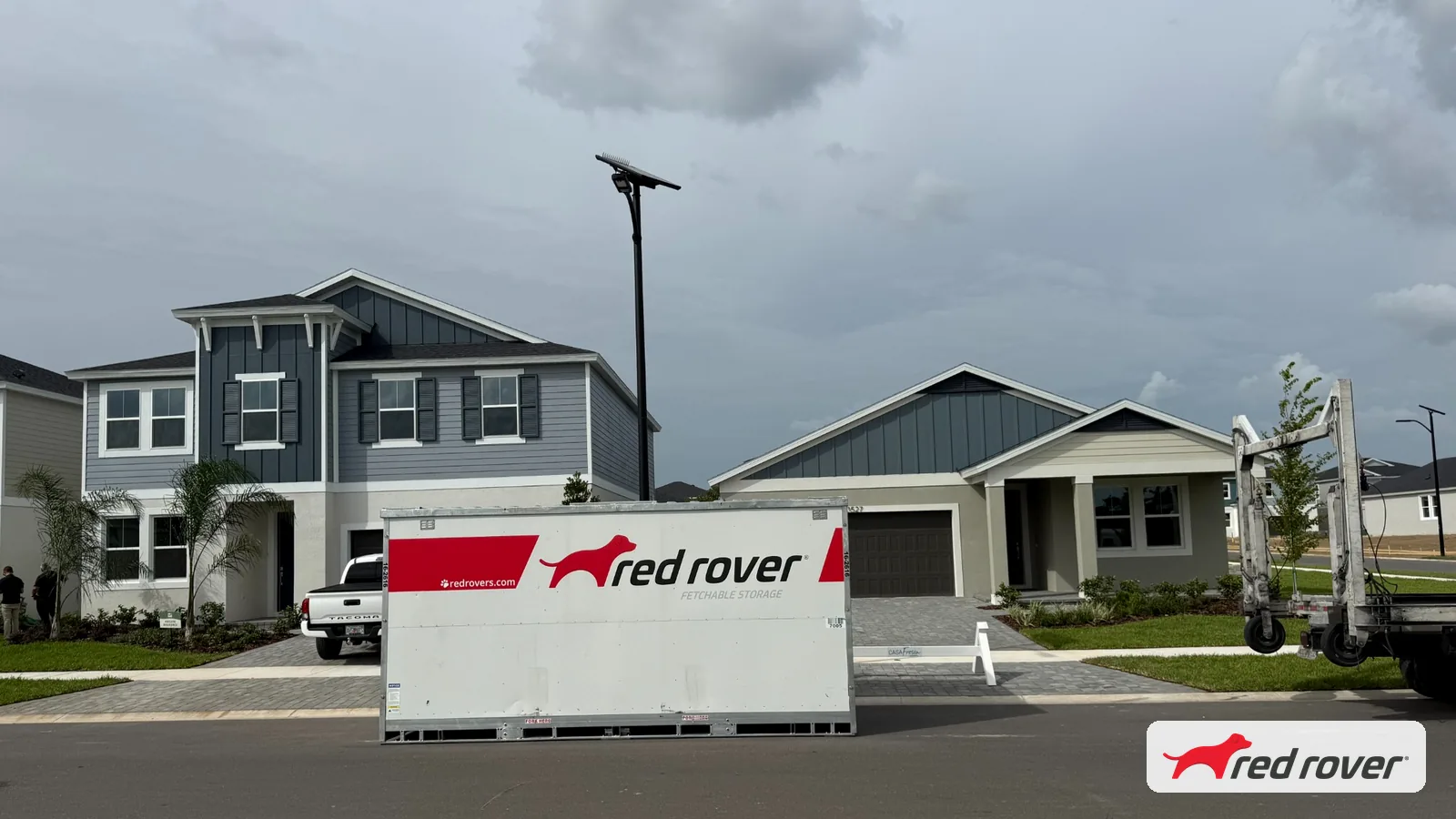
Most people think about space first when renting a portable storage container. But there’s another important question to consider: What happens to your belongings while they’re inside the container?
If you’re moving, renovating, or storing furniture for a while, your belongings deal with changing weather every day. In places like Florida, with heat, rain, and humidity, understanding these effects can help you avoid expensive damage. The good news is that most damage doesn’t come from the container itself. Problems usually happen because of poor packing, trapped moisture, bad organization, or storing the wrong items.
This guide explains how heat, humidity, and rain can affect your things in portable storage containers. We’ll also point out which items are most at risk and give you practical tips to keep everything in good shape.
Why Weather Matters More Than Most People Realize
Portable storage containers are built to protect your belongings from wind, rain, and normal outdoor conditions. Modern steel containers keep water out and give you a safe place to store or move your things. But the air inside the container changes along with the weather outside.
On sunny days, the inside of a closed metal container can get much hotter than the air outside. At night, it cools down again. These daily changes can cause condensation if there’s any moisture inside.
Florida is especially challenging because it’s humid most of the year. Moist air can damage some things if they’re packed while still damp or stored the wrong way. Knowing about these conditions helps you prepare your belongings properly, so you don’t find problems months later.
How Heat Affects Items Inside a Storage Container
Heat is a major concern for people using portable storage, especially in the summer. Even though the container protects your things from direct sunlight and rain, the inside still gets hotter on warm days. Most household items can handle warm weather without trouble. But some materials are more sensitive to long periods of heat.
Wooden Furniture
Wood expands and contracts as temperatures and humidity change. If you don’t prepare wood furniture properly, you might notice warping, small cracks, loose joints, or changes to the finish. Always clean wooden furniture well before storing it. Using the right polish or wax can help protect the finish during long storage.
Electronics
Electronics like TVs, gaming consoles, computers, and audio equipment have delicate parts inside. Too much heat over time can damage batteries, plastic cases, adhesives, screens, and internal circuits. If possible, remove batteries, store electronics in their original boxes or padded containers, and use protective wrapping made for electronics.
Vinyl Records, CDs, and DVDs
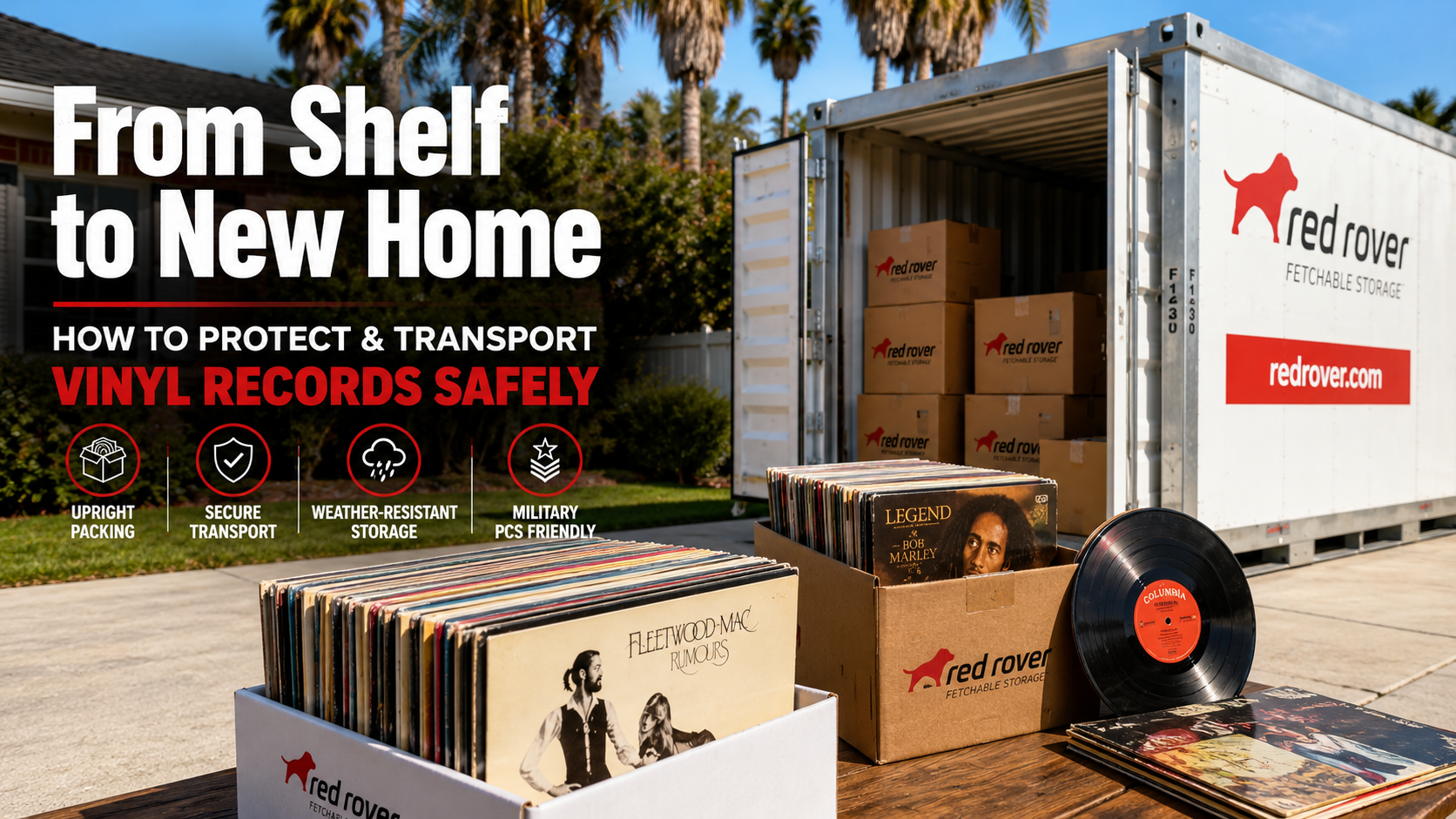
Collectors often don’t realize how sensitive these items can be. High temperatures can warp vinyl records, damage sleeves, and soften plastic cases. Store records upright instead of stacking them, and always use sturdy protective boxes.
Collectors preparing for a move can find more detailed advice in our guide on how to protect and transport vinyl records safely.
Candles, Cosmetics, and Toiletries
Many everyday household products are more sensitive to heat than you might think. Examples include candles, lipstick, makeup, lotions, wax products, and aerosol containers. These items can melt, leak, or become unusable if high temperatures can cause these items to melt, leak, or become unusable. to high temperatures for too long.
If you can, move these items separately instead of putting them in long-term storage.
The Hidden Problem: Humidity
You can tell when it’s hot outside. But you can’t see humidity. Still, humidity is behind many storage problems. Humidity just means there’s moisture in the air. When warm, moist air enters the container and temperatures later cool, tiny water droplets can form on surfaces. This process is called condensation.
A few drops of water might seem harmless, but if condensation keeps happening over weeks or months, it can damage your stored items.
What Humidity Can Damage
Upholstered Furniture
Sofas, mattresses, and fabric chairs can soak up moisture over time. If you store them while they’re damp or in high humidity, they can develop musty smells, mildew, surface mold, or even permanent stains. Always let upholstered furniture dry completely before storing.
Clothing and Fabrics
Seasonal clothes, curtains, and bedding can also hold moisture. Store fabrics in breathable bags instead of airtight plastic, which can trap moisture. Adding moisture absorbers to the container gives extra protection.
Paper Documents and Books
Books can easily absorb moisture. Over time, humidity can make pages curl, turn yellow, warp, or start to smell musty. Keep important documents in waterproof plastic containers or sealed archive boxes.
Musical Instruments
Wooden guitars, violins, and other instruments are especially sensitive to changes in humidity. Changing moisture levels can affect tuning and wood stability and even cause cracks in valuable instruments. If possible, keep instruments in their hard protective cases.
Photos and Important Memories
Old family photos can’t be replaced. Humidity can make photos stick together, fade, curl, or get damaged on the surface. Store photos in archival albums or acid-free boxes instead of regular cardboard boxes.
How Rain Affects Portable Storage Containers
Many people worry that rain might damage their belongings. The good news is that reliable portable storage companies use strong, weather-resistant steel containers that keep rain out in normal weather. If the doors are closed and locked properly, your belongings are safe from rain, splashes, and outdoor debris. But rain can still cause problems if moisture gets inside the container.
For example, problems can happen if you pack furniture before it’s fully dry, load wet garden tools or outdoor furniture, store damp cardboard boxes, or pack clothes, towels, or bedding that haven’t dried completely.
If moisture gets trapped inside, warm temperatures can lead to condensation, mildew, and bad smells. The best rule is simple: Never store anything while it’s wet. Even slightly damp items should dry completely before you load them.
For customers who want to keep their belongings close and access them during a move, renovation or storage project, Red Rover also offers on-site portable storage delivered directly to the property.
Understanding Condensation Inside a Storage Container
Many people think leaks are to blame when they find moisture inside a storage container. But often, condensation is the real cause.
Here’s how it happens:
- Warm air enters the container during the day.
- The air contains invisible moisture.
- Overnight temperatures drop.
- Warm air cools and releases moisture.
- Tiny water droplets form on metal surfaces.
Over several weeks, this repeated process can raise humidity inside the container if there isn’t enough airflow or if damp items are stored inside.
The good news is you can reduce condensation a lot by using the right packing techniques.
How to Prevent Heat and Humidity Damage
1. Start With Clean, Dry Belongings
Check every item before you pack.
Make sure your furniture, appliances, clothes, rugs, and other household items are:
- Completely dry
- Free from mold
- Free from food residue
- Dust-free
Even a little moisture can turn into a bigger problem over time.
2. Use Quality Packing Materials
Cheap boxes soak up moisture and fall apart more easily. Instead, choose strong moving boxes made for storage and transport.
Recommended materials include:
- Double-wall cardboard boxes
- Plastic storage bins for sensitive items
- Bubble wrap
- Furniture blankets
- Packing paper
- Stretch wrap
Don’t wrap furniture directly in regular plastic for long-term storage, because trapped moisture can cause condensation on wood or upholstery.
For additional advice on arranging boxes, furniture and appliances, follow this step-by-step guide on how to pack your Red Rover container.
3. Leave Space for Air Circulation
Packing every inch of space might seem efficient, but tightly packed containers reduce airflow. Leave small gaps between larger furniture pieces whenever possible. Good airflow helps keep moisture from getting trapped and makes it easier to unpack later.
Choosing a container with enough usable space can also prevent overcrowding. Use our guide to choose the right storage container size before you begin loading.
4. Place Heavy Items on the Bottom
Always load heavy furniture first.
Examples include:
- Washing machines
- Dryers
- Dressers
- Tables
- Large boxes
Put lighter items on top of heavier ones.
This keeps things from getting crushed and makes the load more stable during transport.
5. Protect Furniture Properly
Furniture is often the most valuable thing in a storage container.
Protect it by:
- Removing table legs when possible.
- Wrapping wooden furniture in moving blankets.
- Covering sofas with breathable furniture covers.
- Using corner protectors on delicate surfaces.
Try not to place furniture directly against the container walls if you can avoid it.
6. Use Moisture Absorbers
One of the easiest ways to lower humidity is to put moisture absorbers in the container. Products that soak up extra moisture can help prevent condensation during long storage. If you’re storing things for a long time, check and replace these products as the manufacturer recommends.
Items You Should Never Store in a Portable Storage Container
Portable storage works for most household items, but some things should never go inside.
These include:
Flammable Materials
Never store:
- Petrol
- Propane cylinders
- Paint thinners
- Fireworks
- Fuel containers
These materials are a safety risk.
Perishable Food
Food attracts insects and rodents.
Avoid storing:
- Flour
- Rice
- Pet food
- Canned goods
- Fresh produce
Even sealed food can attract pests.
Living Plants
Plants need sunlight, airflow, and water.
Storage containers aren’t good places to keep plants alive.
Hazardous Chemicals
Avoid storing:
- Pool chemicals
- Cleaning acids
- Bleach
- Fertilizers
- Pesticides
Many chemicals don’t react well to high temperatures.
Valuable Documents
It’s better to keep birth certificates, passports, legal contracts, wills, and financial records in a secure, climate-controlled place or a home safe, not in a moving container.
Florida-Specific Storage Tips
Florida’s climate brings challenges that people in cooler places may never face. Here are a few extra precautions that make a big difference:
Florida homeowners preparing for severe weather can also explore Red Rover’s storm and hurricane preparedness storage options for household items, outdoor furniture and other important belongings.
Pack During Cooler Hours
Loading your container early in the morning or later in the evening is more comfortable and helps keep heat-sensitive items cooler.
Watch the weather forecast.
Try to avoid loading during heavy rain if you can. If rain is coming, cover furniture with moving blankets and keep boxes inside until you’re ready to load them.
Protect Outdoor Equipment
Clean and dry garden tools, patio furniture, and bikes well before storing them. Salt air near the coast can leave residue on metal, so wiping items clean before packing helps prevent rust.
Label Boxes Clearly
Labeling boxes clearly makes it easier to find what you need without opening lots of boxes and letting in outside air.
Frequently Asked Questions
Can heat damage furniture inside a storage container?
Most furniture is safe to store if you pack it properly. But long exposure to heat and humidity can damage untreated wood, leather, adhesives, and some finishes.
Can electronics be stored in a portable storage container?
Yes, but pack them carefully with protective materials. Remove batteries, keep devices dry, and use their original packaging if you can.
Will mold grow inside a storage container?
Mold usually grows when moisture is trapped inside. Storing only clean, dry items and using moisture absorbers lowers this risk a lot.
Should mattresses be wrapped?
Yes. Use a breathable mattress storage bag made for moving and storage. It protects against dust and helps reduce trapped moisture.
Is portable storage safe during rainy weather?
Yes. Modern portable storage containers are made to protect your things from normal rain. The main risk is packing damp items, not the rain itself.
Final Thoughts
Weather is a big concern for people using portable storage, especially in warm and humid places like Florida. The good news is that with the right preparation, your belongings can stay well protected during your move or storage.
The key is to do more than just fill the container. Packing only clean, dry items, using good packing materials, letting air flow, and protecting delicate things from heat and humidity can make a big difference.
Whether you’re moving across town, renovating your home, or storing furniture between places, a well-packed portable storage container is a safe and easy solution. A little extra preparation now can help make sure your belongings arrive just as you packed them.
 Now Serving Orlando!
  Portable Moving & Storage Delivered to Your Door —
  Same-Day Delivery Available |
  We’ll Beat Any Competitor’s Price! -