
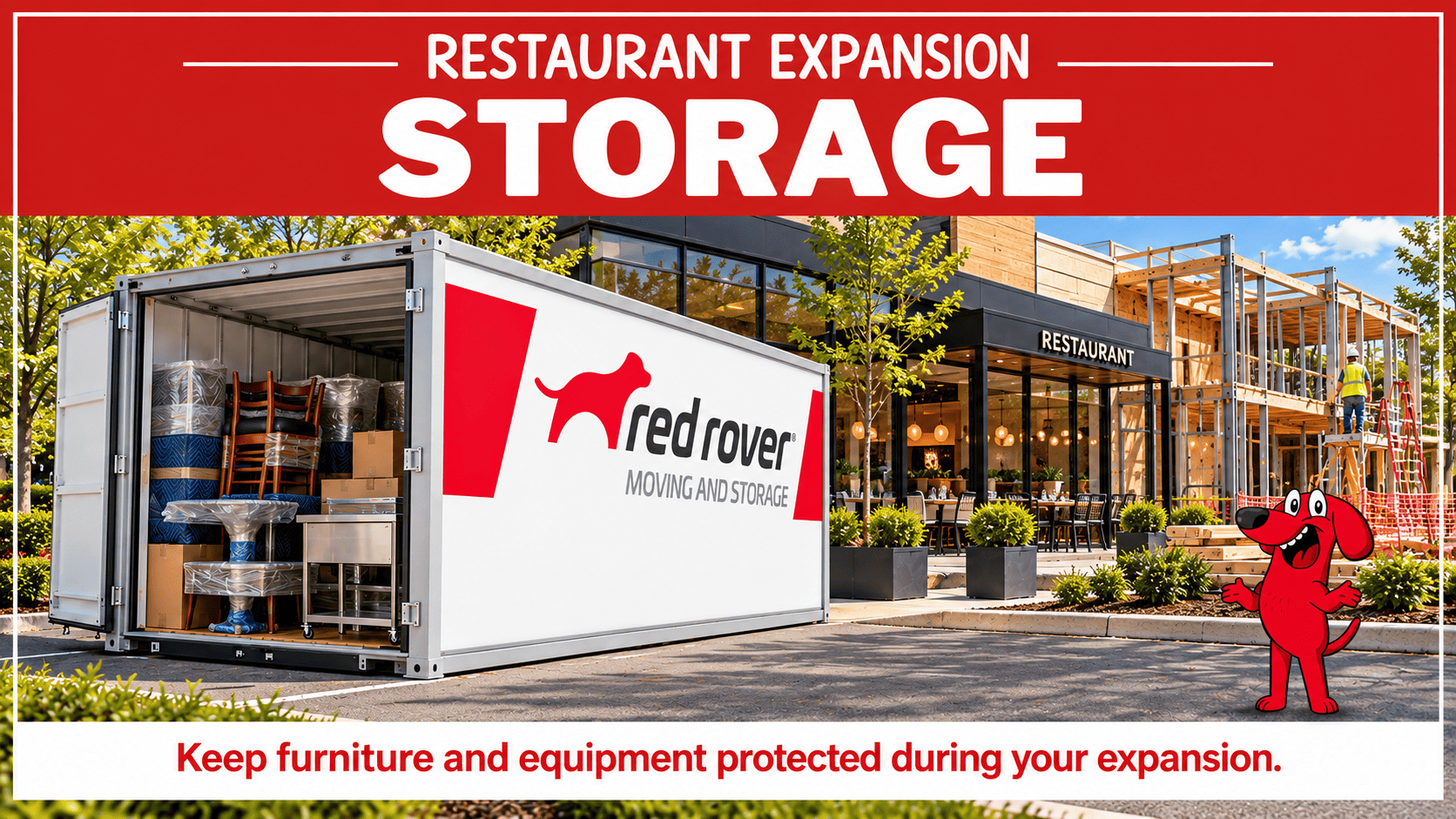
Expanding a restaurant creates room for more guests, a larger kitchen, or an entirely new dining experience. Before that extra space starts generating revenue, however, owners face a practical challenge: what happens to the furniture and equipment already inside?
Owners may need to take down the dining tables before work starts. New appliances may arrive before the kitchen is ready. In the meantime, employees still need clear work areas, and contractors will need space to do their jobs.
Effective restaurant furniture and equipment management starts with a plan for what stays, what moves, and where everything belongs. With careful scheduling, protective packing, and suitable temporary storage, restaurants can keep their expansion organized and prepare for a smoother reopening.
1. Start With a Complete Inventory
Before taking any action, list all the furniture, equipment, and supplies affected by the expansion. Review the dining room, kitchen, bar, patio, and current storage areas.
Include tables, chairs, booths, shelving, prep stations, appliances, décor, and small equipment. Record each item’s quantity, condition, dimensions, and intended destination. For valuable equipment, add the model number, serial number, and photographs.
A shared spreadsheet can help managers track whether an item is staying in service, moving into storage, or awaiting installation.
Photographs also provide a useful reference when furniture returns. If a table already has a scratched corner, documenting it beforehand makes its condition easier to assess after transport.
Assign one person to maintain the inventory, so updates remain consistent throughout the project.
2. Decide What to Keep, Replace, or Remove
An expansion offers an opportunity to review whether existing furniture and equipment still suit the business.
Some items may work perfectly under the new layout, while others may be outdated, hard to keep in good condition, or not well coordinated with the restaurant’s new design. If you store everything without first examining it, you risk spending money moving items you will never use again.
Sort your inventory into four groups:
- Keep in use: Items needed for daily operations during construction.
- Store temporarily: Furniture and equipment that will return after the expansion.
- Repair or refurbish: Pieces needing attention before reuse.
- Remove permanently: Items to sell, donate, recycle, or dispose of appropriately.
Make these decisions early. Removing unwanted pieces before packing begins leaves more space for the items your restaurant actually needs.
3. Match Furniture Moves to Construction Phases
Restaurant expansion planning should connect furniture removal with the contractor’s schedule.
Ask when each work area must be cleared and when it will be ready for installation. Then schedule moves around those milestones.
For example, patio furniture might enter storage first while an outdoor dining area is rebuilt. Dining room tables could move later, allowing part of the restaurant to remain operational during the early stages.
Don’t schedule all deliveries and furniture moves for the same day, since a crowded loading area makes it harder to track items and can disrupt both construction work and restaurant service.
Build some flexibility into the schedule. If flooring or painting takes longer than expected, keep stored furniture off-site until the space is ready.
4. Choose the Right Restaurant Furniture Storage
The best restaurant furniture storage arrangement depends on how much you need to store, how often you need access, and the conditions each item requires.
On-site portable storage containers can help when space is available near the restaurant. They keep stored items nearby and may simplify phased loading and unloading.
Off-site storage can free up valuable parking or construction space. It may be more practical when the property has limited room or when stored furniture will not be needed for several weeks.
We should also consider environmental conditions, since wood furniture, upholstery, electronics, and some finishes may need greater protection from changes in temperature and humidity.
A weather-resistant container kept outdoors does not provide the same conditions as storage inside a climate-controlled facility. Discuss your inventory with the provider before choosing an arrangement.
5. Prepare Furniture Before Packing
Properly packing furniture helps protect its finish and makes reassembly easier.
Clean tables, chairs, and shelving before storage, and allow everything to dry completely. Food residue can create sanitation problems, while trapped moisture can damage materials.
Disassemble furniture only where the design allows it. Remove table legs, detachable shelves, or other components when doing so makes handling easier. Place screws and fittings in labeled bags and keep them with the matching item.
Protect corners and finished surfaces with suitable padding. Use furniture blankets between pieces that could rub together during transport.
Stack chairs only if they are designed for stacking, and follow any manufacturer guidance on stack height.
Label each item by destination, such as “Main Dining Room” or “New Patio.” This makes unloading more efficient when several teams are working at once.
6. Give Restaurant Equipment Its Own Moving Plan
Storing restaurant equipment requires more preparation than moving tables and chairs.
Start with the manufacturer’s instructions for cleaning, shutdown, transport, and storage. Equipment may have specific requirements for orientation, moisture control, handling, or restarting after transport.
Arrange qualified technicians for equipment that needs professional disconnection or installation, including gas appliances and hardwired units.
Empty and clean equipment before moving it. Secure removable parts, protect controls, and keep manuals and accessories together.
For heavy or bulky equipment, confirm the dimensions and weight before booking transport or storage. Check doorways, loading routes, container openings, and weight limits.
Do not assume general storage is suitable for every appliance. Confirm that the provider accepts the equipment and that the proposed storage conditions meet its requirements.
7. Load for Protection and Easy Retrieval
A storage space can become difficult to manage when items are loaded without a clear order.
Create a simple loading plan based on when each item will be needed. Make furniture needed for the first reopening phase easier to reach than seasonal décor.
Place heavy items low and distribute weight according to the provider’s loading guidance. Secure items with appropriate restraints, and avoid placing heavy boxes on upholstered seating or fragile surfaces.
Label boxes on multiple sides so staff can identify them without unpacking.
Keep an inventory showing where major items are positioned. Even a basic container map can save time when someone needs a particular shelf, table base, or box of fittings before the rest of the contents return.
8. Coordinate New Equipment and Furniture Deliveries
New purchases can create storage problems when they arrive before the expanded space is ready.
Before confirming delivery dates, check the construction schedule with your contractor and suppliers. Identify which items need immediate installation and which can arrive closer to reopening.
Ask whether suppliers can hold orders or arrange staged deliveries. Where temporary storage is necessary, confirm that the packaging, handling arrangements, and storage environment are suitable.
Inspect deliveries promptly. Check quantities, finishes, dimensions, and visible condition while you still have time to resolve problems.
Add new items to the same inventory used for existing furniture and equipment. One combined record helps prevent duplicate orders and makes installation planning easier.
9. Budget for the Entire Storage Process
Storage rental is only one part of the cost.
You must also budget for packing materials, labor for loading, delivery, collection, equipment technicians, and any extra handling. Determine what happens if the project runs longer than expected or if an additional delivery is required.
Review the storage agreement and discuss coverage for business property during storage and transport with your insurance contact. Understand the applicable terms before moving valuable items.
Assign a manager to approve schedule changes and additional charges. This keeps decisions consistent as contractors, suppliers, and restaurant staff coordinate different parts of the expansion.
10. Bring Everything Back in the Right Order
Plan the return of furniture and equipment with the same care as its removal.
Confirm that construction, finishing work, and cleaning are complete in each area before bringing items back. Coordinate equipment installation with the people responsible for connections, testing, and setup.
Unpack by zone, check items against the inventory, and inspect their condition. Reassemble furniture and clean surfaces as appropriate before use.
Walk through the completed layout with your team. Check that staff can move comfortably between tables, service stations, and kitchen work areas.
If you can, run a trial service before reopening; this will reveal awkward furniture placement or missing equipment while you still have the chance to make the necessary adjustments.
Plan Your Restaurant Expansion With Red Rover
A well-organized storage plan gives restaurant owners more control over a complicated project. Knowing where each item belongs helps teams clear work areas, coordinate deliveries, and prepare the expanded space for service.
Red Rover offers portable storage containers for on-site storage or in its climate-controlled Storage Centers. Availability and suitability should be confirmed for your restaurant’s address and inventory.
Explore Red Rover’s portable storage solutions and discuss your furniture, equipment, access needs, and expansion timeline with the team. Planning storage before construction begins can make the transition to your larger restaurant easier to manage.
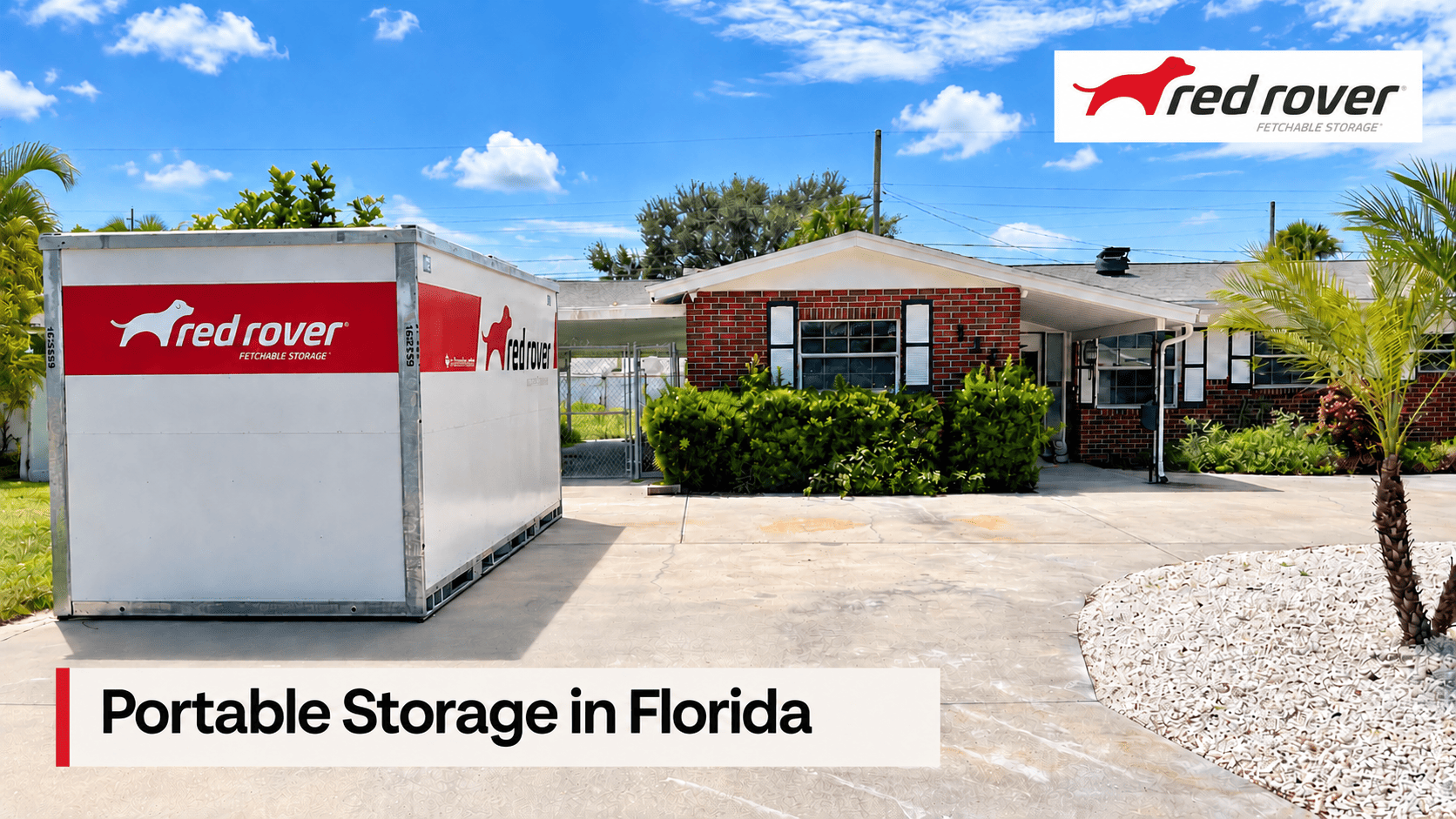

 Now Serving Orlando!
  Portable Moving & Storage Delivered to Your Door —
  Same-Day Delivery Available |
  We’ll Beat Any Competitor’s Price! -